

Natural stone materials can enrich a space with sophistication and permanence, but with time, they may fade their shine due to deterioration. This situation can lead to lifelessness, scratches, and discolorations that compromise the aesthetic of your property. Stone restoration is not merely a visual improvement; it is a vital maintenance procedure that can refresh aged surfaces, extend their durability, and enhance the overall aesthetic appeal of your business. In an era where first perceptions matter, preserving the quality and beauty of stone surfaces is essential for upholding property value and visual charm.
In this comprehensive guide, we will delve into the craft of refurbishing these materials, providing insights into the value of restoring stone, typical challenges that may occur, and the various methods available to bring back your surfaces to their former state. Whether you are dealing with travertine, learning the specifics of the restoration of stone will empower you to make educated decisions for your home. From identifying signs that restoration is required to uncovering the benefits of skilled assistance, this article will arm you with the insight to transform lackluster stone into dazzling masterpieces.
Comprehending Rock Rehabilitation Techniques
Rock rehabilitation comprises a diversity of approaches designed to renewing authentic rock exteriors, bringing back their natural beauty and extending their durability. The process typically commences with a detailed washing to remove grime, contaminants, and any existing coatings that may have degraded with age. Based on the type of rock, custom detergents or equipment may be employed to guarantee that the area is properly set for subsequent rehabilitation tasks.
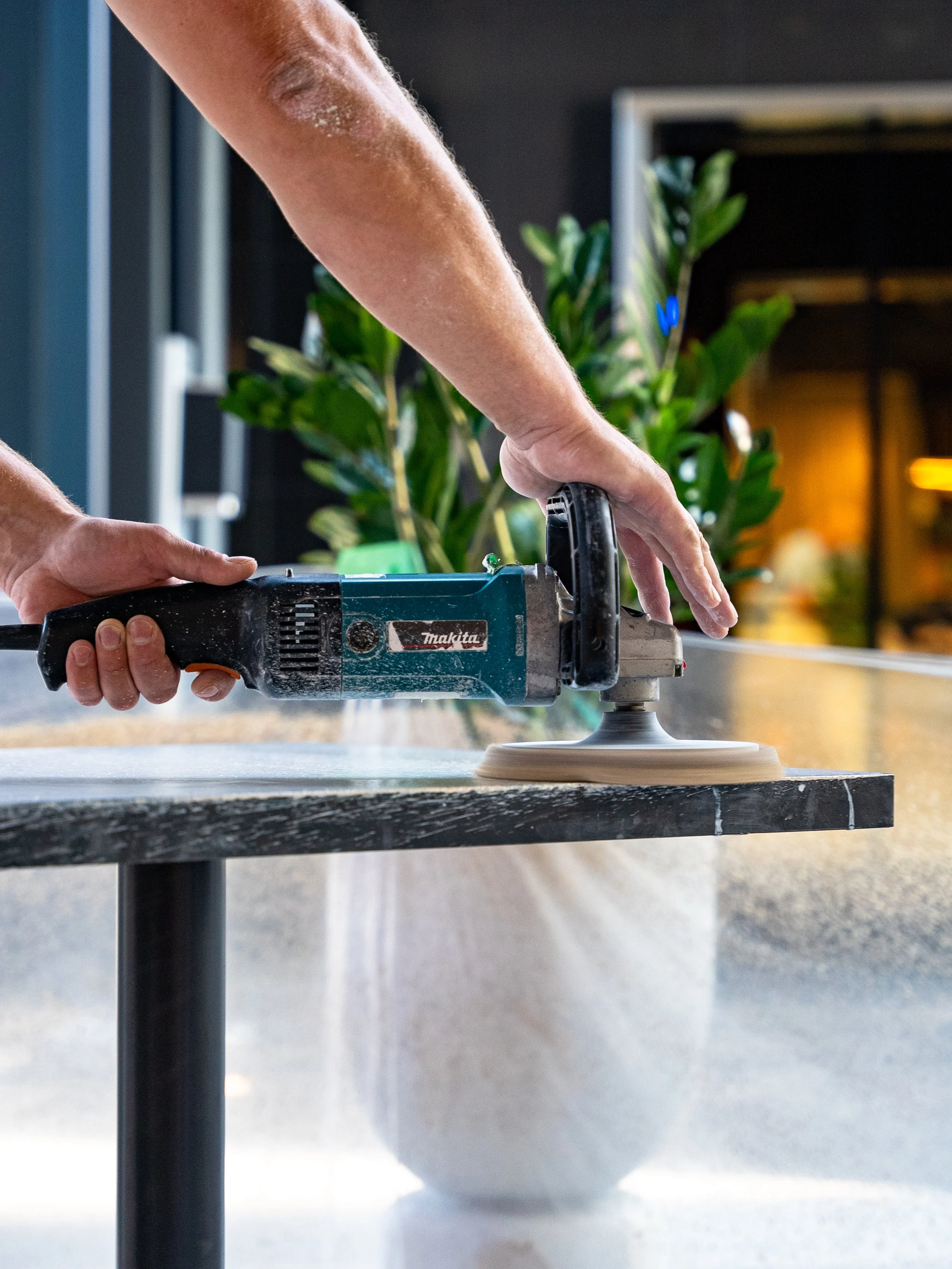
Once cleaning is complete, the subsequent step often entails mending any fissures, nicks, or significant defects to the stone. This may involve sealing blemishes with hue-matched epoxy or compounds that mingle seamlessly with the surrounding substance. Restoration specialists also examine whether polishing or honing is necessary to restore the rock's shine. All method has its own benefits; honing creates a matte surface while polishing offers a shiny shine.
Applying a sealant is a crucial ultimate step in the rock rehabilitation method. A premium sealant shields the rock from subsequent marks and moisture infiltration, guaranteeing resilience and longevity. It is vital to choose the appropriate kind of finish according to the material's particular characteristics and the conditions it is subjected to. By grasping these approaches, homeowners can make better choices about maintaining and enhancing the aesthetic of their genuine stone finishes.
A Benefits of Professional Stone Restoration
Spending in specialized stone restoration delivers various benefits that can improve the aesthetic appeal and longevity of natural stone surfaces. An instant benefit is the restoration of the stone's original shine and tone. As time passes, surfaces can turn dull due to abrasion, nicks, and stains. Expert restoration employs advanced techniques and equipment to shine and finish the stone, resulting in a gorgeous transformation that can greatly improve the overall look of your property.
An critical benefit is the avoidance of future harm. Specialized restorers can detect underlying issues such as fissures or moisture leakage that may go unnoticed. By resolving these problems early on, they can help avert more extensive and costly repairs in the future. This forward-thinking approach not only preserves your investment but also prolongs the life of your stone surfaces, making restoration a wise long-term decision.
Finally, expert stone restoration can considerably increase the worth of your property. Carefully preserved stone surfaces create a positive effect on potential buyers and tenants. A nicely restored stone area improves the attractiveness of both residential and investment properties, making them more competitive in the market. Putting money in restoration not only accentuates your property’s qualities but also turns out to be advantageous in ensuring a greater return on investment in the future.
Frequent Issues and Maintenance Tips
Authentic stone surfaces are susceptible to a range of issues over time, including scratches, etching, and discoloration. stone conservation of damage consist of spills from corrosive substances, the use of rough cleaning materials, and heavy foot traffic that can diminish the finish. It is essential to recognize these issues early to avoid them from getting worse, as unaddressed damage can cause costly repairs or even require full restoration. Frequent assessments of your stone surfaces can assist spot these problems before they intensify.
To maintain the beauty and condition of your stone, adequate cleaning and care are crucial. Utilize pH-optimized cleaners specifically designed for natural stone, and steer clear of harmful or abrasive products that can result in further damage. Establishing a consistent cleaning routine will help prevent dirt and grime from building up, maintaining the stone's aesthetic. Moreover, using table runners, protective mats, and rugs in busy areas can guard your stone from marks and spots, extending its lifespan.
Sealing your authentic stone is another important maintenance task. A good quality sealant protects the surface from moisture infiltration and staining. Depending on the type of stone and its susceptibility to wear, re-sealing between one to three years is suggested. Additionally, frequently polishing the stone can boost its gloss and provide a protective layer against slight damage. Following these care tips can aid maintain your natural stone looking immaculate for many years to come.