

Regarding upholding a safe and efficient house or enterprise, electrical inspections play a critical function that is frequently neglected. Numerous individuals often do not comprehend exactly what an electrical inspection is and why it is important, but the truth is that these assessments are necessary for guaranteeing both adherence with safety standards but also the general health of inhabitants. From finding potential fire risks to ensuring energy conservation, the significance of vigilant electrical inspections cannot be overstated.
As we delve deeper into this topic, we will examine common issues found during inspections, the appropriate interval for scheduling them, and how these assessments safeguard households and assets alike. Whether you're a first-time homeowner, a seasoned real estate investor, or a entrepreneur, grasping the importance of electrical inspections can protect your investment and your dear ones. Join us as we uncover the alarming truth about why these inspections are important in today's world.
Significance of Electrical Assessments
Electrical evaluations are key for ensuring the well-being and efficiency of electrical installations in homes and businesses. They serve as a proactive measure to identify likely hazards prior to they grow into serious issues. Routine inspections help uncover issues such as defective wiring, outdated components, and code violations, which can pose considerable risks, including blazes and malfunctioning devices. By addressing these concerns promptly, these evaluations play a vital role in preventing accidents and creating a safe environment for inhabitants.
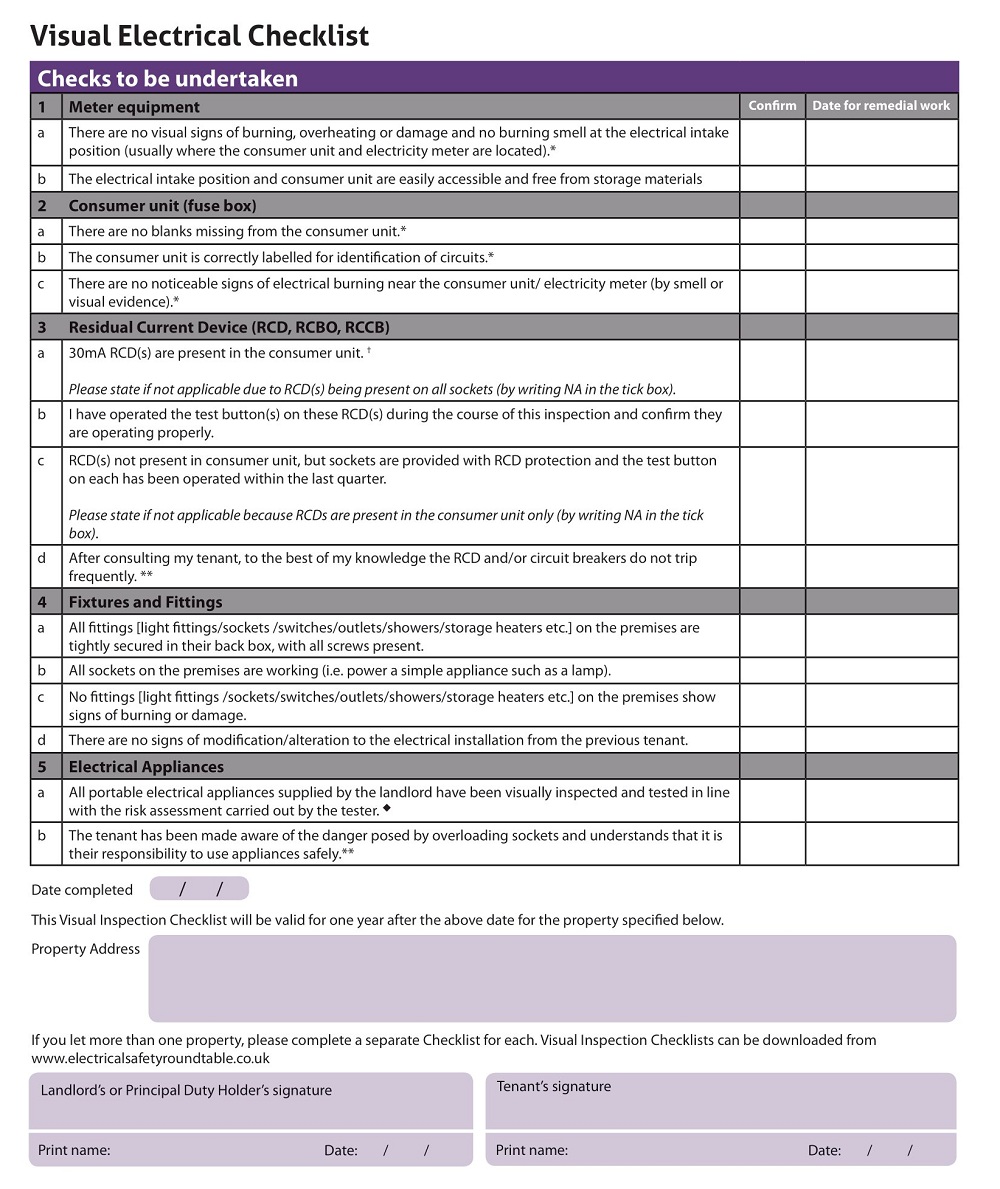
For homeowners, particularly those in antique houses, electrical inspections are necessary for preserving the safety of their wiring. Find out more may be outdated to meet modern electrical standards, possibly putting occupants at danger. An inspection helps determine whether the present wiring can accommodate current usage and highlights obsolete parts that may require upgrading or upgrading. This not only safety but also contributes to greater energy efficiency, leading to decreased utility expenses and a reduced carbon footprint.
The value of electrical inspections extends beyond just safety; they are also essential during home sales. Homebuyers are typically encouraged to request an electrical evaluation as part of their pre-purchase checks. This assessment can disclose underlying issues that may influence the price of a property or require costly repairs after buying. Additionally, many insurance providers may demand a recent inspection report before issuing a homeowner's policy. Thus, recognizing the value of electrical inspections is critical for shielding investments and providing serenity.
Common Problems Found
Electrical inspections frequently disclose a variety of typical problems that can present hazards to security and efficiency. One key issue is obsolete wiring, which may not conform to modern electrical standards. This can cause overheating and raises the risk of electrical fires. Inspectors often identify knob-and-tube wiring or aluminum wiring, both of which are viewed as hazardous in modern electrical systems.
Another common finding during electrical inspections is overburdened circuits. Many property owners do not realize that connecting too many devices into a individual circuit can cause dangerous conditions. Inspectors frequently find that fuses blow or breakers interrupt regularly, indicating that the system has difficulty to handle the electrical load. This issue not only endangers safety but can also cause increased energy costs due to inefficiency.
In addition, improper grounding is a common problem uncovered during inspections. A deficiency of grounding can lead to electrical shocks, raise the risk of fire, and cause equipment damage. Inspectors look for grounded outlets and verify that systems are connected to proper grounding systems. Addressing these frequent issues is essential for ensuring the security and longevity of electrical systems in all home or business.
Preparing for a Evaluation
To ensure a smooth electrical inspection, it is essential to get ready your home in preparation. Start by clearing the areas around your electrical panels, outlets, and fixtures. Easy access is important for inspectors to perform their assessments efficiently. Eliminate any obstacles such as furniture, decorations, or storage items that could impede their capacity to carry out a thorough inspection.
Afterward, take the time to assemble all pertinent documents about your electrical system. This comprises previous inspection reports, maintenance records, and information about any electrical upgrades or repairs done in the previous years. Keeping this documentation on hand will help the inspector get a grasp on your home's electrical history and may assist in identifying potential issues.
In conclusion, consider talking about your electrical concerns with the inspector ahead of time. If you have specific concerns about certain areas of your electrical system or have noticed unusual behavior, such as flickering lights or tripped breakers, discussing these details can guide the inspection process. This forward-thinking approach will help make certain that the inspection is thorough and that all important areas are considered.