

In the modern era, the integration of artificial intelligence into everyday life is becoming increasingly prominent. One of the most exciting developments in this domain is the arrival of AI agents, which are designed to perform a diverse set of tasks autonomously. These intelligent systems are not just tools; they embody a transformation in how we relate to technology, as they respond to their environments and evolve over time. For companies and individuals alike, understanding what AI agents are and how they function is essential for utilizing their capabilities.
This article investigates the ascendance of AI agents and their impact on modern society. We will explore the distinctions between AI agents and conventional chatbots, study how they are transforming various industries, and talk about their role in automating everyday tasks. Whether https://berthelsen-pearce.mdwrite.net/ai-agents-in-commerce-transforming-processes-and-analytics are a corporate leader looking to boost productivity or simply curious about the technology, this thorough guide will provide valuable insights into the prospects of AI agents and their importance in the contemporary realm.
Understanding AI Agents
AI agents are advanced software programs developed to engage with users and execute tasks autonomously. They utilize cutting-edge algorithms and machine learning techniques to understand and react to user inputs, enabling them capable of carrying out a broad spectrum of functions without real-time human intervention. This ability allows them to greatly enhance efficiency and productivity across various sectors, transforming how businesses function and communicate with customers.
The core of an AI agent's functionality lies in its ability to acquire knowledge from data and adapt its responses based on new information. This educational process empowers AI agents to improve their performance over time, rendering them increasingly effective in tasks such as customer service, data analysis, and workflow automation. By examining Knowledge AI Agents and trends, AI agents can provide understandings and advice that help businesses formulate informed decisions and optimize their operations.
In contrast to traditional software applications, AI agents offer a far more engaging and interactive experience. They can mimic human-like conversations, grasp context, and provide personalized responses. This level of interaction not only enhances user engagement but also leads to improved customer satisfaction as AI agents are available at all times to assist with inquiries, complete transactions, and support various business processes. As technology continues to evolve, the role of AI agents in shaping our routine and business practices will only grow more significant.
Groundbreaking Effects of Artificial Intelligence Agents on Enterprise
Artificial Intelligence agents are increasingly becoming integral to contemporary enterprises, streamlining operations and improving efficiency. These independent systems take on multiple tasks traditionally performed by individuals, allowing organizations to allocate resources more efficiently. By automating routine procedures, businesses can reduce operational costs while simultaneously boosting productivity. Irrespective of whether managing inventory, scheduling meetings, or processing transactions, AI agents provide the consistency and speed necessary to succeed in today's challenging landscape.
Additionally, the purpose of AI agents goes beyond simple automation. They are revolutionizing customer relationships by delivering customized experiences designed to unique preferences. This capability helps companies foster deeper customer relationships, leading to heightened satisfaction and loyalty. In advertising, for instance, AI agents scrutinize vast amounts of data to identify trends and improve campaigns, ensuring businesses reach their target audiences efficiently. This calculated approach not only enhances engagement but also boosts conversion rates.
The outlook of AI agents in the job market appears bright as their capabilities continue to evolve. Breakthroughs in machine learning enable these agents to become smarter and more flexible, acquiring insights from interactions to improve decision-making over time. As businesses embrace this technology, they are also realizing the potential of AI agents to foster collaboration within teams. By streamlining project management and communication, AI agents facilitate a more adaptable work environment, placing companies to respond quickly to changing market requirements.
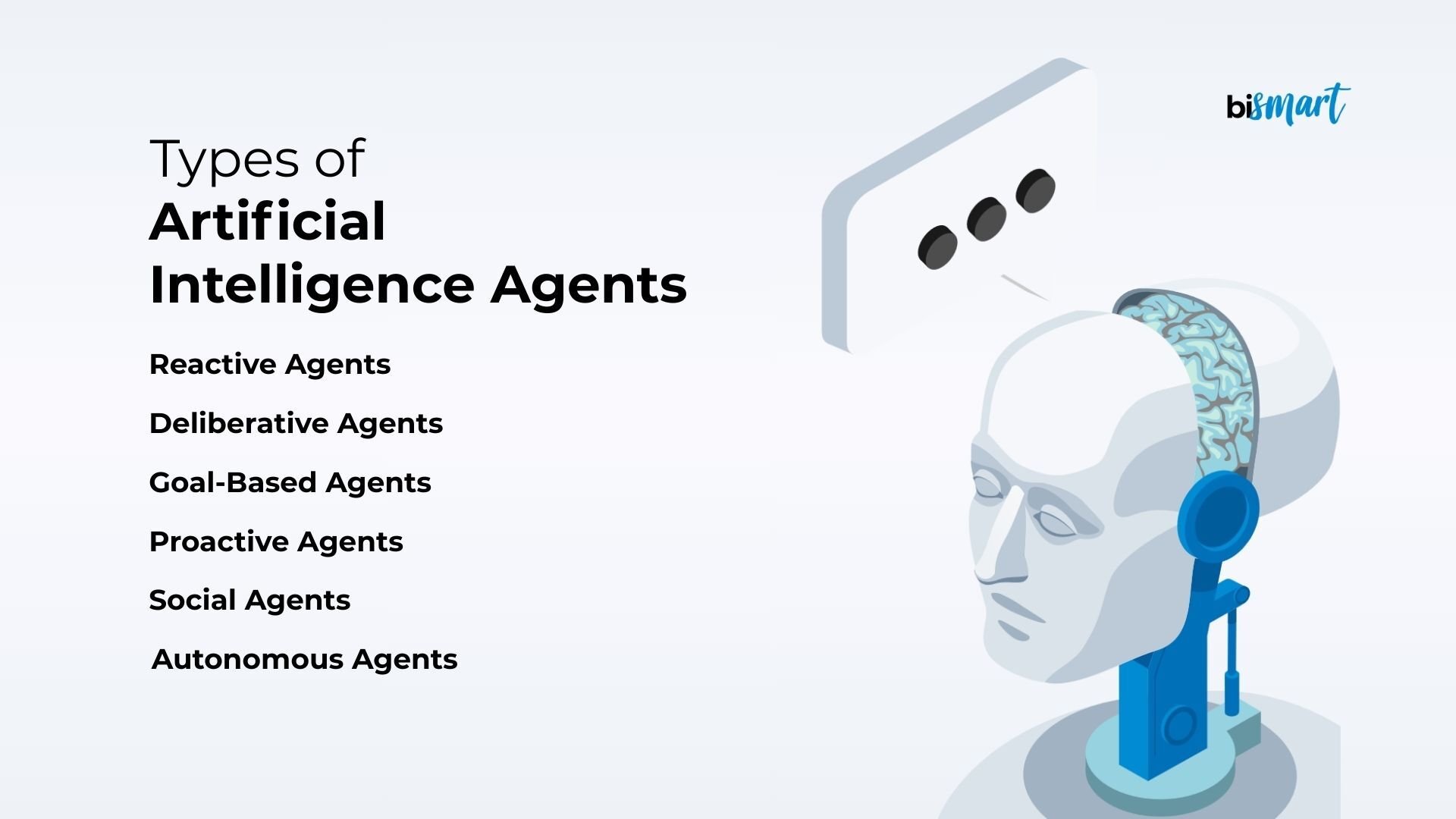
Future Trends and Best Methods for AI Agents
As AI agents keep to advance, we can expect major advancements in their functions and applications across various sectors. One key trend is the increased integration of AI agents with ML algorithms that enable them to gain knowledge from user interactions and improve over time. This progress will enhance their ability to provide personalized experiences, making them essential in sectors like medical, finance, and consumer support. Additionally, the growing focus on responsible AI and data privacy will lead to the creation of guidelines that guide the ethical deployment of AI agents, ensuring they operate transparently and securely.
Optimal practices for businesses seeking to implement AI agents consist of beginning with a clear comprehension of their objectives and choosing the right tools that fit their requirements. Companies should focus on user experience by involving stakeholders in the design process to create user-friendly interfaces that allow for seamless interaction. Regular training and updates for AI agents will also be important to ensure their relevance and effectiveness, as business landscapes and consumer expectations keep to change quickly.
Looking ahead, we can anticipate the emergence of collaborative AI agents that function in unison in multi-agent systems. These systems will enable for more complex tasks to be executed efficiently, leveraging on the distinct strengths of each agent. Furthermore, as AI agents become more prevalent, there will be an increased focus on their effect on workforce dynamics, necessitating approaches to ensure that human workers can live and thrive alongside these technologies. Embracing these trends and optimal practices will enable organizations to harness the full capability of AI agents, propelling innovation and growth in the years to follow.