

While homeowners look for more effective and sustainable ways to warm and chill their homes, heat pump systems have become as popular option to conventional HVAC solutions. These versatile units not only offer climate regulation but also contribute to reducing energy costs and minimizing carbon emissions. Nonetheless, the choice to transition to a heat pump entails with multiple factors to consider. Are they truly worth the investment?
In this article, we will explore the pros and cons of heat pumps, looking into their effectiveness, performance in different climates, setup expenses, and maintenance needs. We will also review the potential savings and ecological advantages, assisting you determine if a heat pump is the right choice for your residence. Whether Click here for more are considering a modern upgrade or exploring options for new builds, this detailed guide will equip you with everything you require to understand about heat pumps.
Grasping Heat Transfer Systems
Heat pumps are versatile units that provide both heating and chilling for homes by relocating heat from one location to another. They function on the concept of refrigeration, drawing out heat from the outside air or ground and shifting it inside during the cold months, and vice versa in the warm months. This method allows heat pumps to provide efficient climate control, making them an increasingly preferred choice among property owners looking for eco-friendly and affordable HVAC alternatives.
There are mainly two types of heat pumps: air-based and geothermal, each with its distinct advantages and drawbacks. Air source heat pumps extract heat from the outside, while ground source heat pumps, also known as geothermal heat pumps, take advantage of the earth's consistent underground temperature. The choice between these types often depends on various factors, including weather, availability of space, and budget considerations.
One of the main benefits of heat pumps is their energy effectiveness. They can provide up to three times more energy in thermal output or cooling output compared to the electrical energy they consume. This effectiveness leads to lower energy costs and a reduced carbon footprint, making heat pumps an environmentally friendly option. As homeowners grow more aware of sustainable living practices, the interest for heat pumps is expected to rise, positioning them as a viable alternative to traditional HVAC systems.
Heat Pump Installation and Costs
Setting up a heat pump involves several key factors that can affect both the installation process and the overall cost. Typically, you will need to evaluate the size and kind of heat pump suitable for your home, as well as the individual requirements for setting it up, such as ductwork for systems with ducts or the design for ductless systems. Hiring professionals is often recommended to ensure optimal performance and adherence with local codes, which can add to the initial expenditure but ultimately provides peace of mind and efficiency benefits.
The cost of installing a heat pump can vary significantly based on multiple aspects, including the type of system chosen, the complexity of the installation, and the area of your home. On average, homeowners may expect to spend between two thousand to eight thousand dollars, depending on whether they choose an air source or a costlier ground source system. It's important to consider not only the initial expenses but also possible future savings on utility costs, which can help balance out initial investments over time.
Additionally, numerous homeowners may be eligible for rebates and tax incentives that can help lower installation costs. It is beneficial to research any available financial assistance in your area, as these can greatly affect the overall cost situation when considering the installation of a heat pump system. Consulting trustworthy installers can provide a clearer understanding of potential costs and lead to more educated decisions regarding the most suitable solutions for your specific needs.
Efficiency and Efficacy Comparisons
Thermal pumps stand out for their notable efficiency compared to traditional HVAC mechanisms. They transfer heat rather than producing it, causing them significantly more effective in energy consumption. This capability leads into lower utility costs for homeowners. For example, while electric resistance heating might yield a one-to-one conversion rate, heat pumps can achieve ratios of three-to-one or higher, which means they produce three units of heating for every unit of electricity consumed. This effectiveness is particularly helpful during temperate weather conditions.
When evaluating chilly environments like Colorado, heat pumps have made noticeable advances, particularly with models designed for cold climates designed specifically to function effectively in cold temperatures. While their capability may lag behind conventional heating solutions during severe cold snaps, modern heat pumps still deliver substantial heating and cooling efficiency, advancing upon older models. This allows homeowners in colder regions to enjoy the benefits of heat pumps without sacrificing comfort.
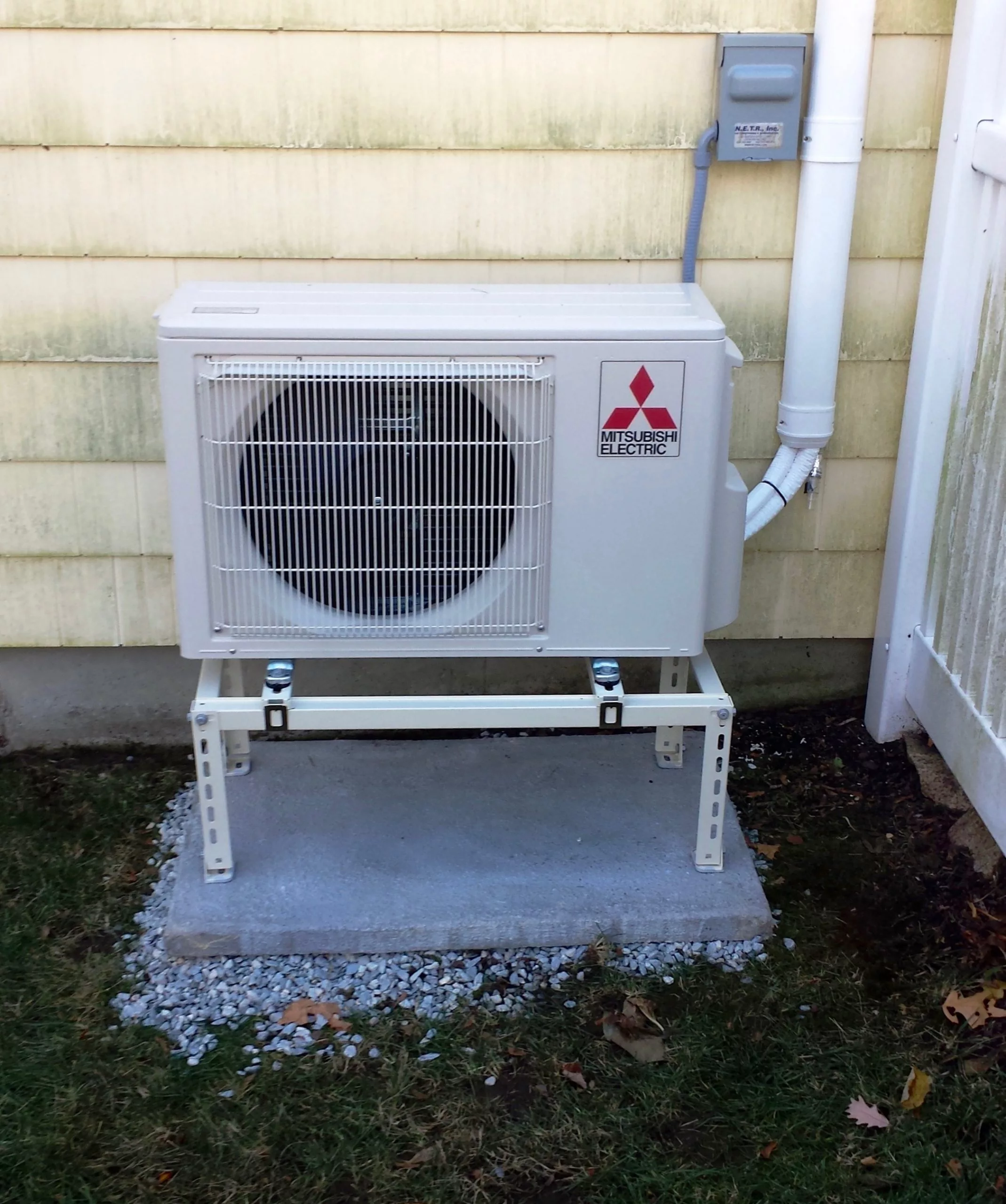
Furthermore, the selection between air source and ground source heat pumps can affect capability and effectiveness. Ground source heat pumps typically deliver better efficiency rates because they draw upon the relatively stable underground temperature. However, the initial costs can be higher compared to air source units. Ultimately, selecting the right heat pump depends on the unique requirements of homeowners, climate factors, and cost constraints, causing thorough study and evaluation essential for optimizing home heating and cooling.