

Recently, the concept of a closed-loop economy has gained considerable momentum as a promising approach to managing waste and lessening our impact on the environment. This shift questions the traditional linear approach of "take, make, dispose," encouraging companies and consumers alike to rethink how they manage waste. By redefining waste management practices, we can contribute to a healthier environment and create sustainable systems that aid both the economy and the environment.
Waste management is a crucial issue that concerns everyone, from individual residences to multinational companies. Effective waste management is not just about getting rid of waste; it includes the entire lifecycle of materials, including stopping, lessening, repurposing, recycling, and restoration. Understanding the importance of waste management is essential for all business, as poor practices can lead to monetary setbacks, environmental destruction, and adverse health effects. This article aims to offer a comprehensive guide to contemporary waste management solutions as we delve into the importance of effective waste management matters, methods to better practices, and the creative solutions that can pave the way for a sustainable future.
Modern Refuse Management Strategies
The advancement of waste management has led to the introduction of innovative solutions that focus on green practices and efficiency. Modern waste management solutions concentrate on lessening waste generation and optimizing resource retrieval. Technologies such as sophisticated sorting technologies, compression equipment, and waste-to-energy facilities are now more common. These approaches not only improve the recycling procedure but also convert waste into usable energy, thus reducing the overall green impact of waste management.
In addition to technological innovations, the integration of innovative waste management practices is crucial. Data insights and connected technologies are being used to monitor waste generation behaviors, allowing for improved forecasting and optimization of pickup routes. This not only enhances operational effectiveness but also diminishes the pollution associated with waste movement. Companies are committing funds in software tools that provide insights into waste streams, enabling them to implement targeted strategies for decrease in waste and resource reclamation.
Furthermore, the principle of regenerative economy plays a key role in modern waste management strategies. Businesses are motivated to reevaluate their production processes and product duration to lessen waste creation from the start. Focusing on design for disassembly and sustainability, organizations can develop products that are simpler to recycle or reconfigure at the end of their life. By embedding https://barnes-bertram-2.technetbloggers.de/beyond-the-container-reimagining-waste-disposal-approaches into waste management, we can transition towards a more sustainable model that optimizes resources and minimizes green effect.
The Role of Businesses in Waste Reduction
Organizations play a significant role in shaping successful waste management strategies. As primary contributors to waste production, companies have a duty to implement approaches that lessen their green footprint. This entails adopting sustainable practices such as reducing packaging, reusing materials, and recycling. By focusing on waste reduction and management, companies can not only boost their operational efficiency but also strengthen their brand image and attractiveness to eco-aware customers.
Moreover, organizations can demonstrate leadership in waste management by engaging in partnerships with waste management providers and local governments. Partnering with professional services ensures that waste is handled properly and reused effectively. This collaboration can lead to the development of innovative waste management solutions designed for specific business needs. Moreover, businesses can educate their employees on optimal strategies, promoting a culture of sustainability within the organization that extends to their neighborhoods.
In addition to internal changes, companies can impact broader waste management practices through campaigning and compliance with regulations. By supporting policies that encourage recycling and waste reduction, businesses can help create a more green waste management framework. This engagement not only helps the planet but also positions companies as ethical corporate citizens. Ultimately, businesses have a special opportunity to guide the charge in waste management and drive positive change for a cleaner planet.
The Forthcoming Era of Refuse Handling
As we gaze into the future of waste management, eco-friendliness is expected to play a central role in revolutionizing how we handle waste across multiple sectors. https://david-romero-3.hubstack.net/converting-garbage-into-treasure-creative-waste-handling-strategies to a circular economy motivates businesses and communities to rethink their connection with refuse, viewing it not as a problem but as a important resource. Cutting-edge technologies such as artificial intelligence, intelligent waste bins, and refuse monitoring solutions are set to revolutionize our refuse handling processes, creating opportunities for more effective collection, sorting, and recycling.
One of the most significant developments shaping the coming years of refuse handling is the rising emphasis on waste-free initiatives. Wealth Management Launceston Cornwall are now realizing the economic and environmental benefits of reducing waste generation at its origin. By adopting sustainable wrapping practices, reducing disposable items, and promoting product longevity, companies can significantly reduce their waste footprint. Additionally, educational programs in schools and local areas will raise awareness about refuse challenges, fostering a culture of accountability and encouraging individuals to act.
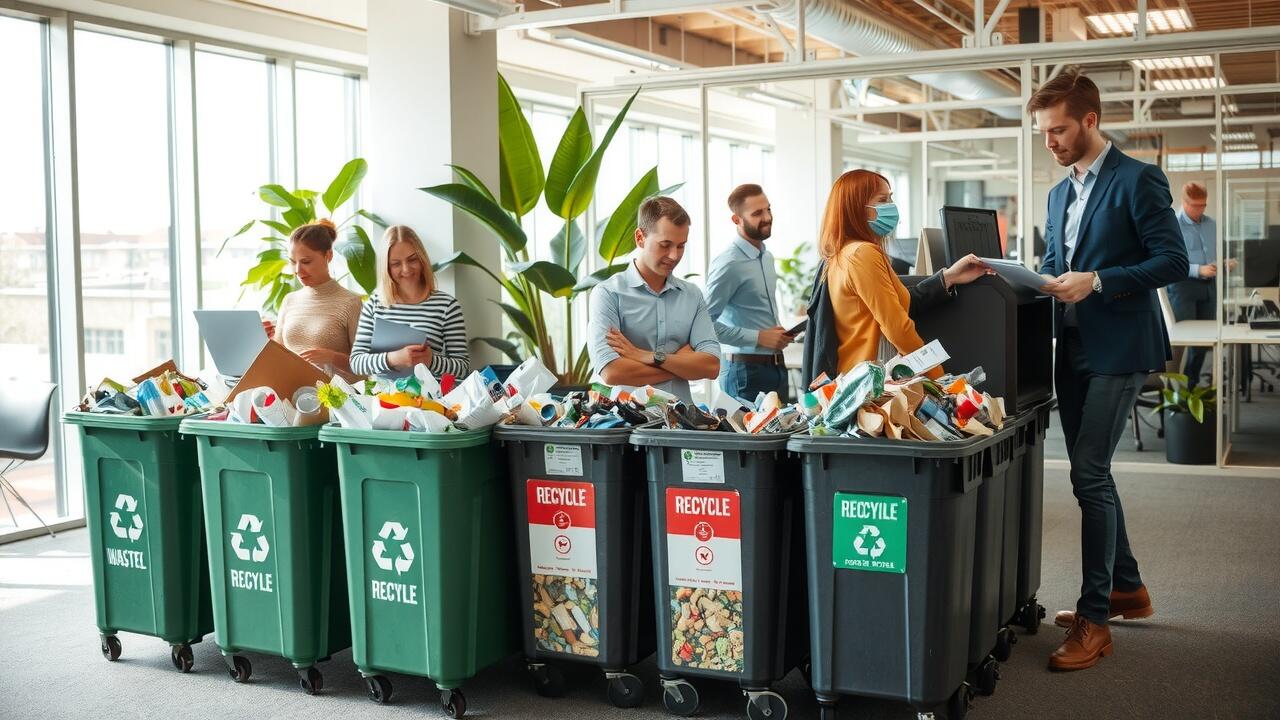
Collaboration and legislation will also be key factors in the development of waste management. Authorities and entities are likely to implement stricter regulations and motivations to ensure adherence with eco-friendly goals. Public-private partnerships can drive funding in refuse handling services and innovation, enabling cities to adopt smarter refuse handling solutions. As we embrace these changes, the outlook of waste management points towards a more eco-conscious and responsible approach that is advantageous for both the earth and our societies.