

Regarding establishing your security and effectiveness of your household or company, electrical inspections serve a crucial role. Such thoroughly detailed assessments help detect potential hazards, ensure compliance with safety guidelines, and protect both real estate and individuals from the dangers of faulty wiring and electrical setups. Whether you are a homeowner, a business owner, or someone in the process of buying a property, understanding the significance of electrical inspections is essential.
In this piece, we will explore what these evaluations involve and the reasons they are they are vital for maintaining safety in living and workspaces. Including frequent problems that experts often find during inspections to the specific requirements for historic properties and leased units, we aim to offer you with key insights and information. By grasping these details, you can improve your protection of your property and guaranteeing the security of your family and co-workers.
Grasping Electrical Inspections
Power inspections are a crucial aspect of upholding the security and performance of electrical systems in not only home and commercial properties. These inspections entail a thorough review of electrical cabling, receptacles, panels, and additional elements to verify they comply with the NEC and local standards. By identifying potential risks, electrical evaluations play a significant role in avoiding power fires, electrocution, and other safety threats that can happen from substandard or outdated electrical systems.
The importance of power evaluations cannot be overstated. They not only help to ensure the safety of your home or business but also improve energy efficiency. During an evaluation, professionals will assess various parts of your power system, such as grounding, circuit load capacity, and general installation quality. This preventive approach can help homeowners and asset managers prevent costly fixes and confirm that their electrical networks perform optimally.
For property owners, grasping the procedure and significance of power evaluations is crucial. It is recommended to have evaluations conducted regularly, especially in older homes or prior to major renovations. Moreover, aspiring homebuyers should consistently prioritize power evaluations to reveal any concealed issues that may be costly to fix afterward. Being the condition of the power network can safeguard investments and provide peace of mind for property holders.
Typical Concerns and Safety Guidelines
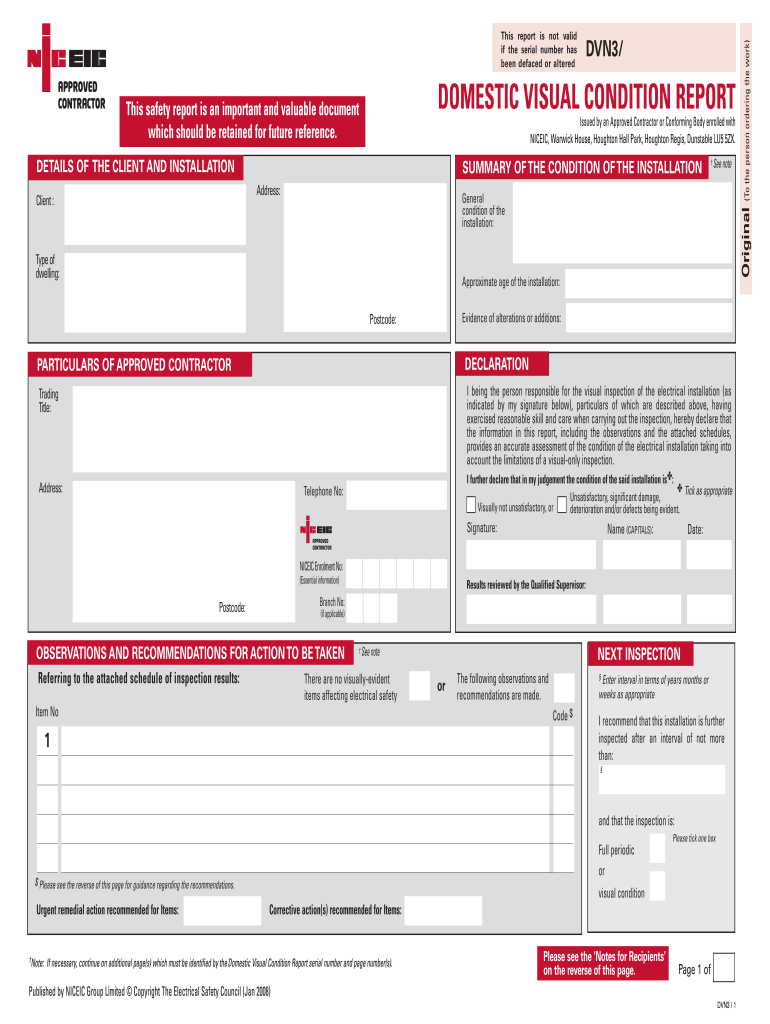
Electrical system inspections often reveal a number of common problems that can threaten security and performance in homes and commercial properties. One usual problem is outdated wiring, which may fail to meet current safety standards or could be degrading over time. EICR Certificates Kirkcaldy Fife can lead to short circuits or flames. Another common issue is overloaded circuits, where too many devices are connected to a one circuit, raising the risk of excessive heat and potential dangers. Recognizing these problems during an inspection is vital for guaranteeing a secure electrical system.
In addition, improper grounding and bonding of electrical systems can pose significant risks. Without correct grounding, there may be a greater chance of shock or fire in the case of a fault. During inspections, electricians check for the effectiveness of grounding systems and make recommendations for upgrades if required. Homeowners should confirm that their electrical systems are compliant with modern codes to prevent these risks from emerging.
To improve safety, scheduled routine inspections play an important role in preserving the integrity of electrical systems. Homeowners should conduct these checks at least every few years or quicker if they detect any signs of electrical concerns, such as flickering lights or humming outlets. Implementing the tips provided during inspections, like updating old wiring and confirming circuits are adequately rated, can greatly boost safety and functionality in both residential and industrial settings.
Preparing for Your Inspection
Prior to your electrical inspection, it's important to gather necessary documents and information about your property's electrical system. This includes all past inspection reports, service records, and information about the age and type of electrical systems in place. Having this information readily available can help the inspector better assess the system and identify any issues that may require further attention.
Furthermore, ensure that the area around the electrical panel and outlets is clear and accessible. This will enable the inspector to conduct a comprehensive examination without any obstacles. It is also helpful to check that all the light bulbs are working and that any potential hazards, such as overloaded circuits or frayed wires, are resolved beforehand. This not only facilitates a smoother inspection process but also encourages a safety-conscious space.
Finally, be prepared to talk about your electrical usage and any concerns you may have during the inspection. Sharing information about unusual tripping of breakers or flickering lights can offer valuable context for the inspector. Keeping an open line of communication will enable you to gain insights and suggestions that can enhance the safety and efficiency of your electrical system.