

In the current rapidly evolving online landscape, artificial intelligence has evolved from being a novel concept to an integral part of our daily lives. At the forefront of this evolution are intelligent agents, intelligent systems designed to perform tasks autonomously and engage meaningfully with users. Whether it's a virtual assistant scheduling your meetings or a sophisticated software tool optimizing enterprise operations, AI agents are transforming how we labor, interact, and consume information.
For many, the idea of AI agents can seem daunting. However, understanding their purpose and potential can reveal a treasure of opportunities for both people and companies. Article source seeks to explore the world of AI agents, analyzing how they comprehend and address your specific needs, transforming everything from customer service and advertising to project management. As we explore various aspects of these adaptive systems, you will learn about the crucial role AI agents play in enhancing productivity, streamlining tasks, and ultimately personalizing your experiences in an increasingly digital world.
Comprehending AI Agents
AI agents are software programs created to carry out tasks autonomously by employing artificial intelligence. These agents can evolve with their environment, adjust to new information, and make decisions driven by data inputs. Unlike conventional software, which follows set instructions, AI agents can analyze complex data patterns and provide flexible responses, making them extremely effective in multiple applications.
The rise of AI agents has resulted in significant change to contemporary businesses, as they optimize processes and enhance overall efficiency. Organizations utilize these agents to manage customer inquiries, oversee marketing campaigns, and simplify routine tasks. By adopting AI agents, businesses can not only reduce operational costs but also improve productivity and customer satisfaction through speedier response times and tailored interactions.
Identifying AI agents from AI chatbots is crucial for comprehending their capabilities. While chatbots usually focus on providing fixed responses to predefined queries, AI agents can conduct more complex interactions, utilize vast datasets, and carry out actions without constant human oversight. This variation highlights the evolving nature of AI technology and underscores the growing impact of AI agents throughout multiple sectors.
Uses of Artificial Intelligence Agents in Business
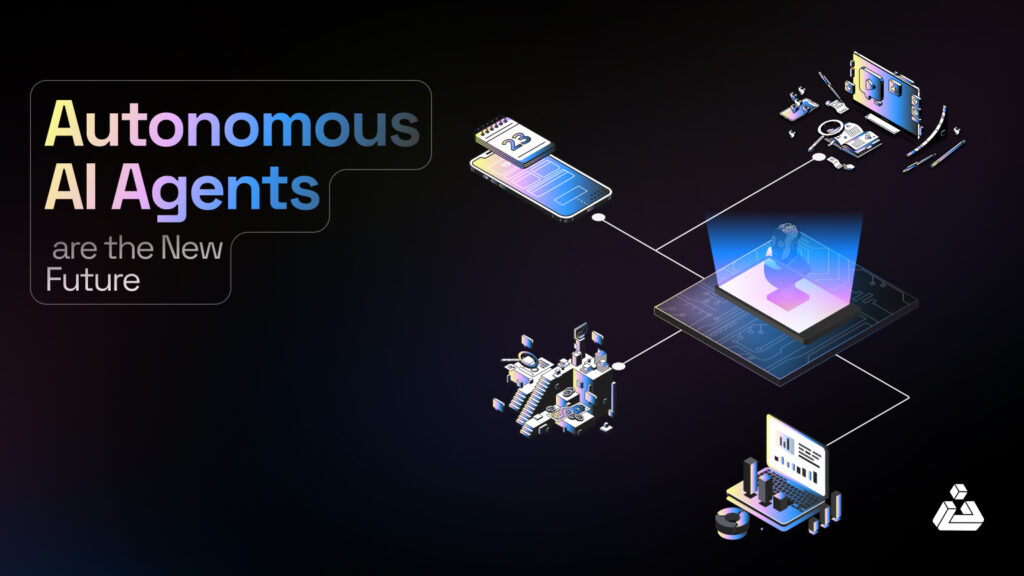
Artificial intelligence agents are transforming the way companies operate by streamlining tasks and streamlining processes. In client support, artificial intelligence agents can handle inquiries through chat interfaces, providing prompt responses and personalized support. This leads to improved customer satisfaction and reduces the workload on human agents, allowing them to focus on complex issues that require a human touch. The availability of artificial intelligence agents around the clock also allows businesses to serve international customers across various time zones without additional staffing costs.
In advertising, AI agents play a critical role in campaigns and lead generation efforts. By examining customer data and behavior patterns, these agents can reach specific audiences with custom messages, maximizing the effectiveness of advertising campaigns. They can also enhance ad placements and manage budgets in real time, ensuring that resources are used effectively. This level of mechanization not only improves marketing outcomes but also helps businesses stay aggressive in a fast-evolving landscape.
In financial services, AI agents are revolutionizing analysis and decision-making processes. They can quickly process vast amounts of data to discover investment opportunities, assess risks, and generate financial reports. This accelerates decision-making and enhances the precision of forecasts, allowing businesses to respond more swiftly to market changes. Moreover, AI agents can improve compliance by supervising transactions for anomalies, reducing the likelihood of fraud and financial errors. With their ability to provide insights and automate routine tasks, AI agents are becoming essential tools in the business toolkit.
Upcoming Trends and Considerations
The environment of AI agents is rapidly evolving, with progressions in technology significantly shaping their functions. One major development is the combination of sophisticated machine learning algorithms that allow AI assistants to learn from user interactions over time. This means that as companies deploy these assistants, they can become increasingly personalized and effective, adjusting to the specific needs of their users. Additionally, the rise of natural language processing is enhancing communication with these agents, making communications feel more intuitive and accessible.
Another important factor is the moral implications surrounding AI agents. As their capabilities expand, discussions about confidentiality, information safety, and the potential prejudices inherent in AI technologies are becoming more prominent. Companies must prioritize transparency and ethical guidelines when implementing AI assistants, ensuring they safeguard user information and function in a manner that is just. Staying informed about these topics will be crucial for organizations looking to leverage AI while upholding customer trust.
Lastly, as businesses explore the potential of AI agents, the importance of collaboration and multi-agent systems is gaining momentum. Future developments may focus on how multiple AI agents can collaborate together to solve difficult problems or improve overall productivity in workplaces. Such cooperation could drive advancement across industries, enhancing performance and delivering even greater value to customers. Understanding these trends will be crucial for organizations seeking to stay relevant in an increasingly automated environment.