

While society continues to embrace sustainable energy solutions, solar panels are recognized as a preferred option for property owners and businesses too. Aside from their traditional use upon rooftops, creative thinkers are developing novel applications for solar technology across various aspects of our daily lives. From enhancing landscapes to powering outdoor features, the potential for solar panels extends far beyond simply generating electricity.
This article will explore how solar panels work and their numerous benefits, while simultaneously discussing common misconceptions and presenting essential considerations for installation. Whether you're interested in saving money on energy bills, increasing your property's marketability, or making a positive impact on the environment, there are many reasons to consider solar energy as a feasible option. Come with us as we delve into the exciting possibilities of solar panels and how they can change spaces in surprising ways.
The Benefits of Solar Energy
One of the most positive aspects of solar energy is its capability for significant cost savings. By harnessing the light of the sun, homeowners can reduce their dependence on conventional electricity sources, which often come with varying prices. Over time, the savings on electricity bills can accumulate, making solar panels a smart investment. Many homeowners also benefit from local and federal tax rebates, further reducing the overall installation costs and enhancing the financial appeal of solar energy.
Another notable benefit of solar energy is this positive impact on the Earth. Employing solar panels helps to lower greenhouse gas emissions and lessen reliance on fossil fuels, contributing to a cleaner planet. By switching to solar, homeowners can substantially reduce their carbon footprint, making a conscious choice towards environmental stewardship. This pledge to renewable energy sources is more and more important in the struggle against global warming, as communities look for ways to promote a green future.
Moreover, solar energy systems can increase property values, providing an financial benefit beyond energy savings. Homes equipped with solar panels often draw buyers looking for energy-efficient features and lower utility costs. Numerous real estate studies have indicated that homes with solar installations can sell at a higher price compared to comparable homes without solar. As awareness of renewable energy increases, so does the demand for properties that include sustainable solutions, making solar panels not just an energy choice, but also a wise real estate investment.
Setting Up Solar Energy Panels: Essential Information
As planning solar panel installation, one must crucial to grasp the different components entwined in the process. Begin by analyzing Visit this site needs to ascertain the suitable size of the solar panel system. A common residential system can vary from 3 kW to 10 kW, based on the energy consumption patterns of your household. Engaging a solar energy expert can aid you get a clearer picture of your specific requirements and how much energy you can project to produce.
Choosing the right installer is a further critical aspect of the installation process. Look for certified solar panel installers who have expertise, good reviews, and the required certifications. Confirm their credentials and ask for references to guarantee they have a proven track record. A competent installer will assist you handle local regulations, obtain permits, and offer an accurate installation timeline to get your system functional smoothly.
In conclusion, once your solar panels are installed, consistent maintenance is key to guaranteeing they operate at peak efficiency. This includes cleaning the panels, monitoring for any potential shading issues, and tracking the system’s performance through the inverter. Understanding solar panel efficiency ratings can also guide you on how well your system is operating compared to others. Proper care and maintenance can considerably extend the lifespan of your solar panels, maximizing your investment and energy savings over time.
Dispelling Solar Misconceptions
Many myths encompass solar panels, causing potential users to be reluctant in embracing this sustainable energy solution. One misconception is that solar panels are solely effective in bright climates. In truth, solar technology has made great strides, and panels can produce electricity even on cloudy days. Locations with diverse weather patterns can still benefit from solar installations, as they utilize scattered light effectively.
Another prevalent myth is that solar panels are too expensive for the typical householder. While the initial investment can be significant, numerous financing options, tax credits, and incentives are accessible that can considerably reduce expenses. Furthermore, the long-term savings on energy bills often outweigh the initial costs, making solar panels a financially viable option for a lot of homes.
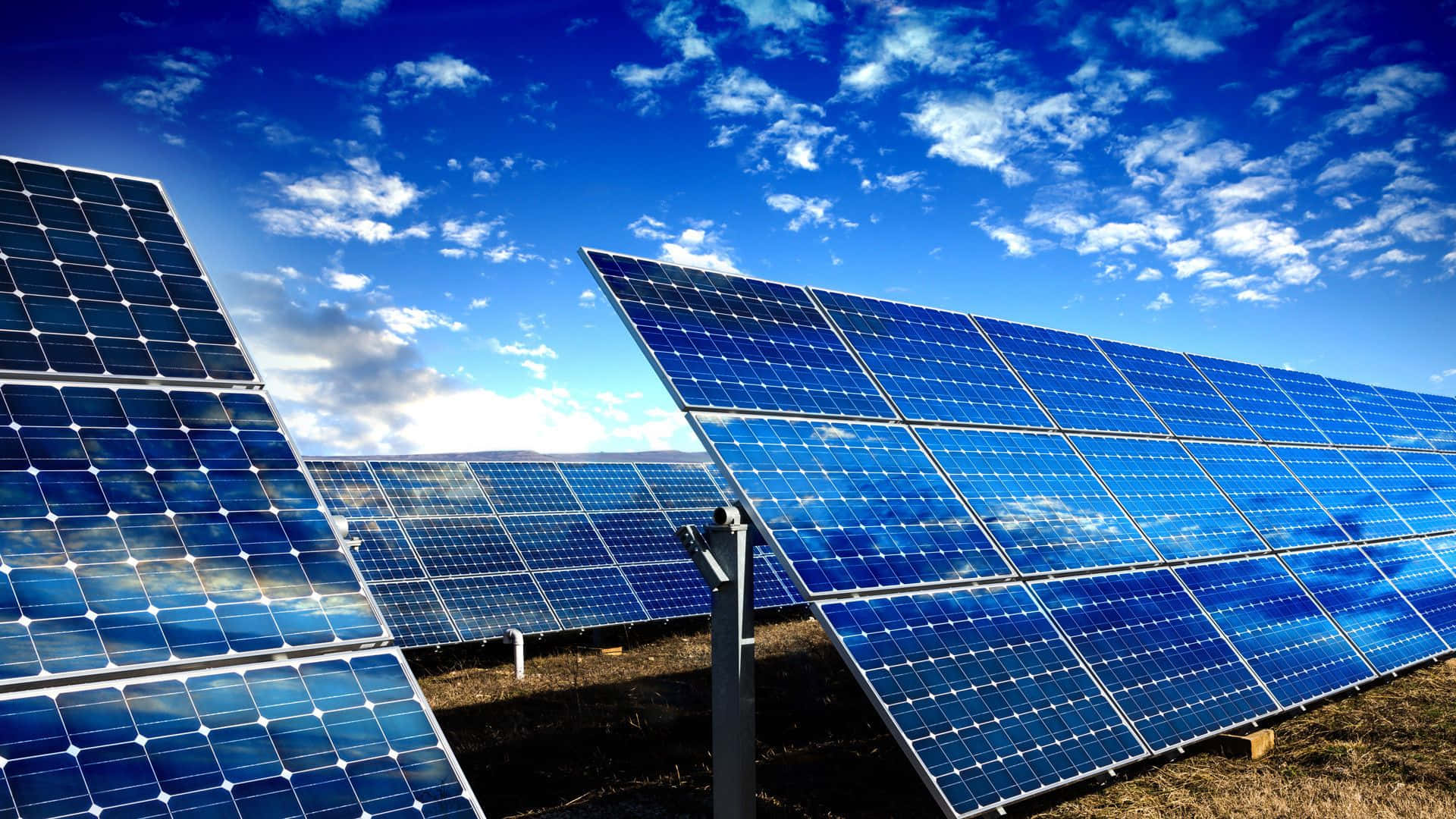
In conclusion, some think that solar panels require significant care or will degrade quickly over time. In truth, modern solar panels are designed to be robust and demand low care. Routine cleaning and periodic checks are usually sufficient to ensure optimal performance. Moreover, most panels come with warranties that last over 25 years, providing assurance regarding their longevity and efficiency.