

Natural rock surfaces provide a timeless elegance and beauty to our houses and business environments, but they can sustain from deterioration over time. From the gorgeous aesthetics of marble stone and granite to the special charm of travertine, each type of stone type tells a narrative. However, subjecting to everyday use, environmental factors, and poor maintenance can lead to marks, stains, and loss of luster that hide their natural beauty. This is where the restoration of stone comes into play, providing an indispensable service that not only renews the look of these stone surfaces but also prolongs their durability.
In this guide, we will discuss the full process of restoring stone, detailing why it is so significant and how specialized services can change your property. From identifying the common signs that suggest a need for restoration to grasping the different techniques and processes involved, we will equip you with the knowledge needed to appreciate and care for the intrinsic beauty of surfaces made of stone. Whether you are a homeowner looking to enhance your home or a entrepreneur aiming to dazzle clients, grasping the nuances of restoration of stone will help you decide wisely about how to maintain your investment.
Understanding Rock Refurbishment
Stone refurbishment is the procedure of cleaning, fixing, and renewing genuine stone surfaces to restore their original beauty and utility. As time passes, stone can become bland, discolored, or damaged due to multiple factors such as people walking, environmental exposure, and incorrect maintenance. Understanding the significance of stone restoration is crucial, as it not only improves the aesthetic appeal of your property but also prolongs the longevity of the stone, ultimately conserving you money on replacement costs.
One of the key aspects of stone restoration is differentiating it from simple cleaning or repairs. Although cleaning takes away dirt and stains, restoration includes a more comprehensive approach that comprises repairing chips, honing, polishing, and sealing the stone. This varied process is essential to resolve issues such as etching, scratches, and discoloration that may build up over time. By using professional techniques and equipment, restoration can restore the stone's natural luster and integrity.
The advantages of stone restoration go beyond aesthetic improvements. Go here -restored stone surface can significantly boost the worth of your property, making it more appealing to potential buyers or tenants. Furthermore, routine restoration and maintenance can reduce long-term damage, ensuring that your investment in natural stone remains sound. Comprehending the restoration process helps property owners make educated decisions regarding their stone surfaces, ensuring they get the attention and attention they deserve.
The Restoration Process
The stone repair procedure commences by a thorough examination on that surface to discover specific issues that must to be taken care of. Experts will examine its type of material, the degree of wear, and all blemishes or scratches identified. The initial assessment becomes crucial since it lays a foundation for an successful repair plan tailored for the individual needs for the surface. Equipped by this information, the repair team can choose the techniques as well as solutions for achieve highest outcomes.
When the assessment has been concluded, this process moves to its cleaning phase. High-quality, pH-balanced solutions are applied to remove dirt, contaminants, as well as all build-up on the stone surface. This phase typically involves techniques such as friction with pads and pads, according to its stone variation and state. After cleaning, all minor repairs such as sealing gaps or fissures can be carried out for reinstate the integrity for the surface, to ensure an even and smooth area before continuing towards shining and smoothing.
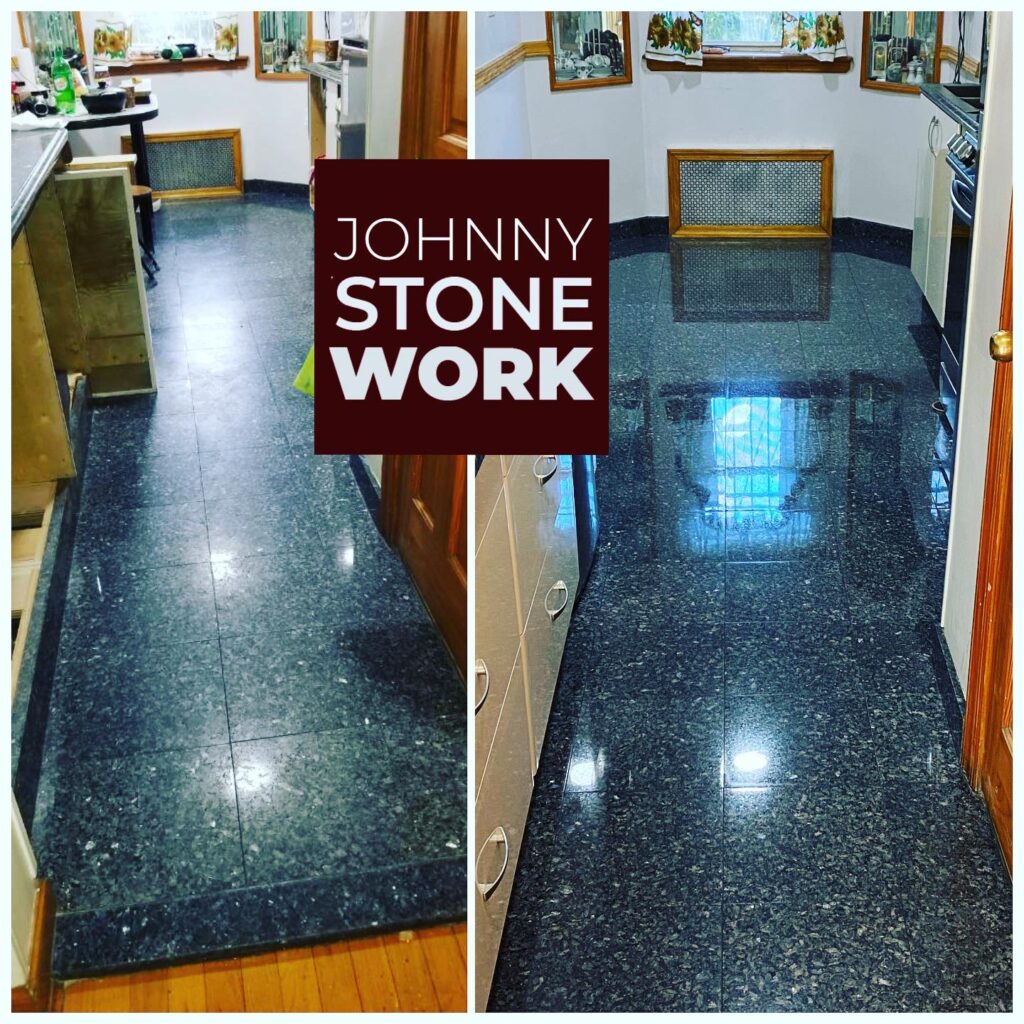
The steps of the restoration procedure involve polishing that stone to attain an optimum luster as well as a finish. It may include the use of diamond pads and fine grits for hone the area, followed by sealing that stone for protect it from potential wear. Care tips are typically provided for homeowners after repair, emphasizing their need for consistent care and upkeep to extend the longevity as well as the appearance for their renewed stone surfaces.
Benefits of Expert Restoration
Professional stone restoration offers an array of advantages that can greatly enhance the aesthetic and functional attractiveness of your property. One of the most notable benefits is the capability to restore the true beauty of stone surfaces. Experts utilize state-of-the-art techniques and tools that can efficiently remove spots, marks, and scratches, reviving the stone’s vibrant colors and patterns. This not only improves the aesthetic appeal but also helps maintain the stone’s structure over time.
Another important advantage is the maintenance of property value. Properly cared for stone surfaces can increase the overall marketability of residential and business properties. Expert restoration can prolong the lifespan of materials, making it a wise investment compared to regular repairs or complete replacements. By presenting a polished and well-maintained atmosphere, property owners can attract better offers and possible buyers or tenants.
Additionally, expert restoration techniques often include a protective process, which protects stone surfaces from future harm caused by moisture, stains, and environmental factors. This protective measure not only enhances the strength of the stone but also simplifies maintenance for the owner. With regular upkeep guidelines from restoration professionals, property owners can ensure their stone surfaces remain gorgeous and strong for years to come.