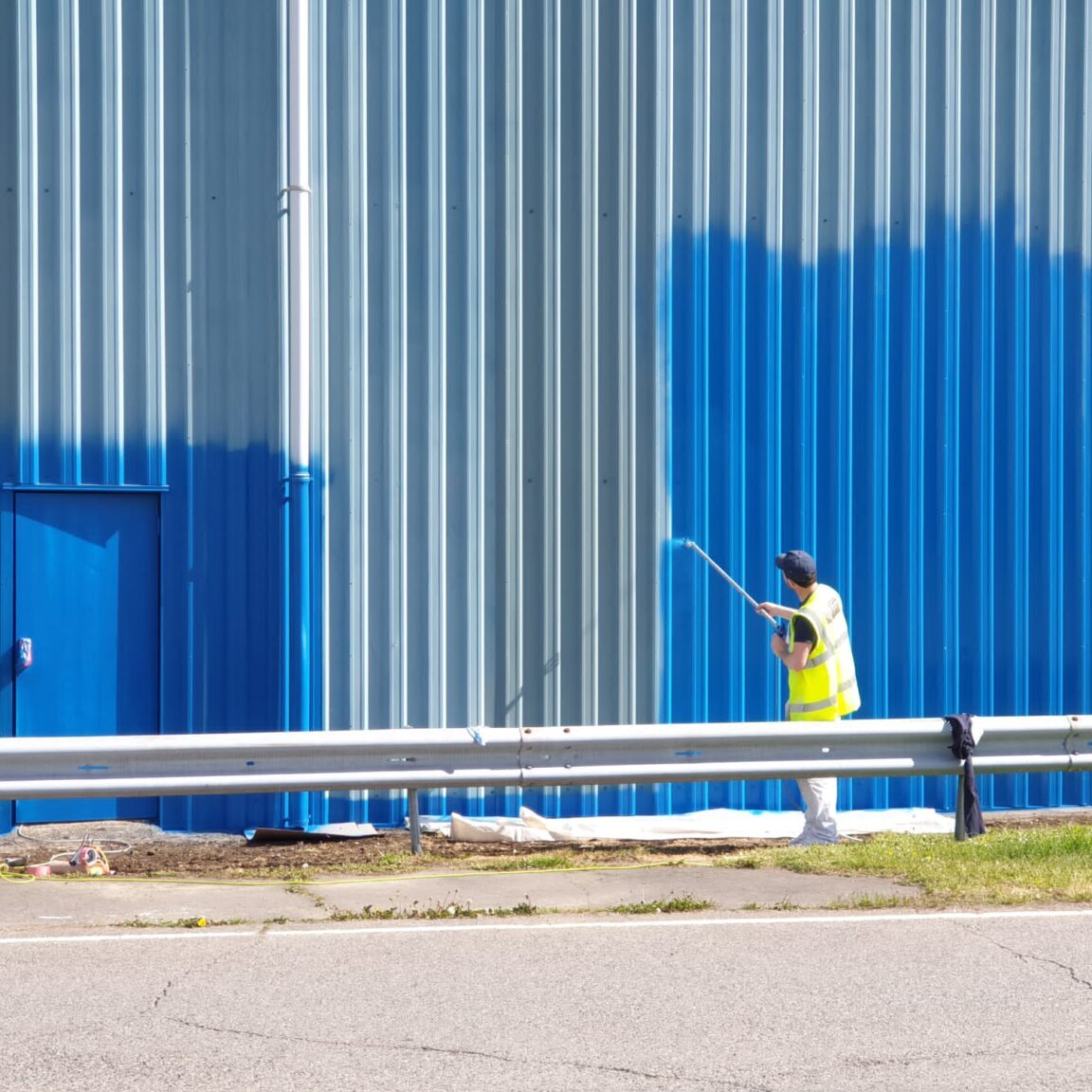
Changing the exterior of your house or business can be a challenging project, but with cladding application, it is a effortless and cost-effective option. This technique offers a new layer of coating or finish to current surfaces, enhancing the overall look and enhancing the entire value of your property. This contemporary method not only revitalizes the facade of properties but also provides necessary protection against the natural forces, helping to extend the life of exterior materials.
As we delve into the art of cladding spraying, you will uncover the numerous advantages this service brings. From remarkable overhauls that can breathe new life into workplaces to the meticulous setup procedures that secure lasting outcomes, this service is turning into the go-to choice for many homeowners. Whether you are considering an upgrade for your home or looking to revitalize your business appearance through your workplace, understanding cladding spraying can guide you towards the ideal answer for your requirements.
Comprehending Surface Spraying
Cladding coating is a contemporary technique used to utilize safeguarding and decorative coatings to the outer surfaces of structures. This process involves the use of tailored spray equipment to coat a uniform coat of coating or finish on various surface substances, such as metal, lumber, or combined materials. The main aim is to enhance the visual appeal of the building while providing a protection against nature like moisture, ultraviolet light, and pollution.
One of the primary benefits of using this method is its effectiveness. Click here! facilitates a more rapid application compared to conventional methods, such as hand brushing or using a roller. The spraying method ensures a smooth coat that bond well to the substrate, decreasing the chance of lines or inconsistent coating. Additionally, this method reduces the requirement of extensive preparation work, leading to faster work turnaround times and less disruption to the people.
Comprehending the various kinds of coatings offered for cladding spraying is crucial for choosing smart decisions. From environmentally friendly options to top-quality coatings designed to endure harsh weather, each option offers special advantages. By picking the suitable materials and applying them correctly, property owners can significantly boost their structure’s visual quality and sturdiness, guaranteeing that the exterior surfaces continue to be lively and safe for a long time to follow.
Benefits of Cladding Spraying
Facade coating presents a plethora of advantages that make it an attractive choice for property owners. One of the key benefits is its potential to enhance the aesthetic appearance of a building. With a varied array of shades and textures available, cladding coating can modernize the appearance of both private and industrial properties, potentially enhancing their resale value. This change can notably transform the aesthetic impression of a structure, capturing more attention, which is especially advantageous for companies looking to gain clients.
Another significant benefit of facade coating is its longevity. The coatings used in the spraying process are designed to resist extreme weather conditions, UV rays, and various environmental factors, providing sustained safeguarding to the base materials. This durability translates to lowered maintenance costs and fewer frequent requirement for repairs or replacements, making it a budget-friendly option in the extended period. Additionally, the suitable products can help safeguard against fungus and mildew, also prolonging the durability of your structure's exterior surfaces.
Lastly, facade spraying is an effective method that reduces interference to your daily activities, especially for commercial buildings. Unlike full facade overhaul, which can take months or extended periods and require major inactivity, facade spraying can often be accomplished in a small portion of the duration, allowing companies to continue their operations with next to no interruption. This efficiency, combined with the ecological benefits of using sustainable coatings, presents cladding coating as a wise option for property upgrades, attractive to both real estate owners and eco-conscious consumers.
Spraying Cladding vs. Replacement
When considering building maintenance options, spraying cladding and replacement of cladding are two prominent choices. Replacing cladding often involves significant labor and materials, resulting in lengthy downtimes and increased overall expenses. In contrast, spraying cladding is a far quicker and more efficient solution, allowing building owners to enhance their building's appearance without the major interruptions associated with replacement. Spraying can revitalize existing surfaces, providing a fresh look and improved protection without needing to remove and replace materials.
Another key factor in the choice between spraying and replacement is environmental considerations. Spraying cladding minimizes waste by utilizing existing materials, thereby lowering the ecological footprint that comes with demolition and disposal of old cladding. This sustainable method not only supports green building practices but also offers a cost-effective upgrade that aligns with many businesses’ sustainability goals. Additionally, modern spraying techniques can utilize cutting-edge coatings that provide enhanced defense and longevity, enhancing the strength of the building against weather elements.
Ultimately, the decision between spraying cladding and reconstruction often hinges on financial considerations, time limitations, and desired outcomes. For buildings needing aesthetic upgrades and protective enhancements, cladding spraying presents a viable alternative that balances excellence and efficiency. However, for structures with significant damage or integrity problems, full replacement may still be necessary. Assessing the level of work needed can help property owners determine the best course of action, ensuring their buildings stay operational and visually appealing for years to come.