

As property owners look for more efficient and environmentally friendly ways to warm and cool their areas, heat pumps are gaining an progressively popular choice. With the capability to provide both heat and cool air from a unified system, these systems offer versatility and can considerably lower energy costs in comparison to traditional heating, ventilation, and air conditioning systems. Nonetheless, grasping the various types and details of heat pumps can be daunting, especially for those new to the concept.
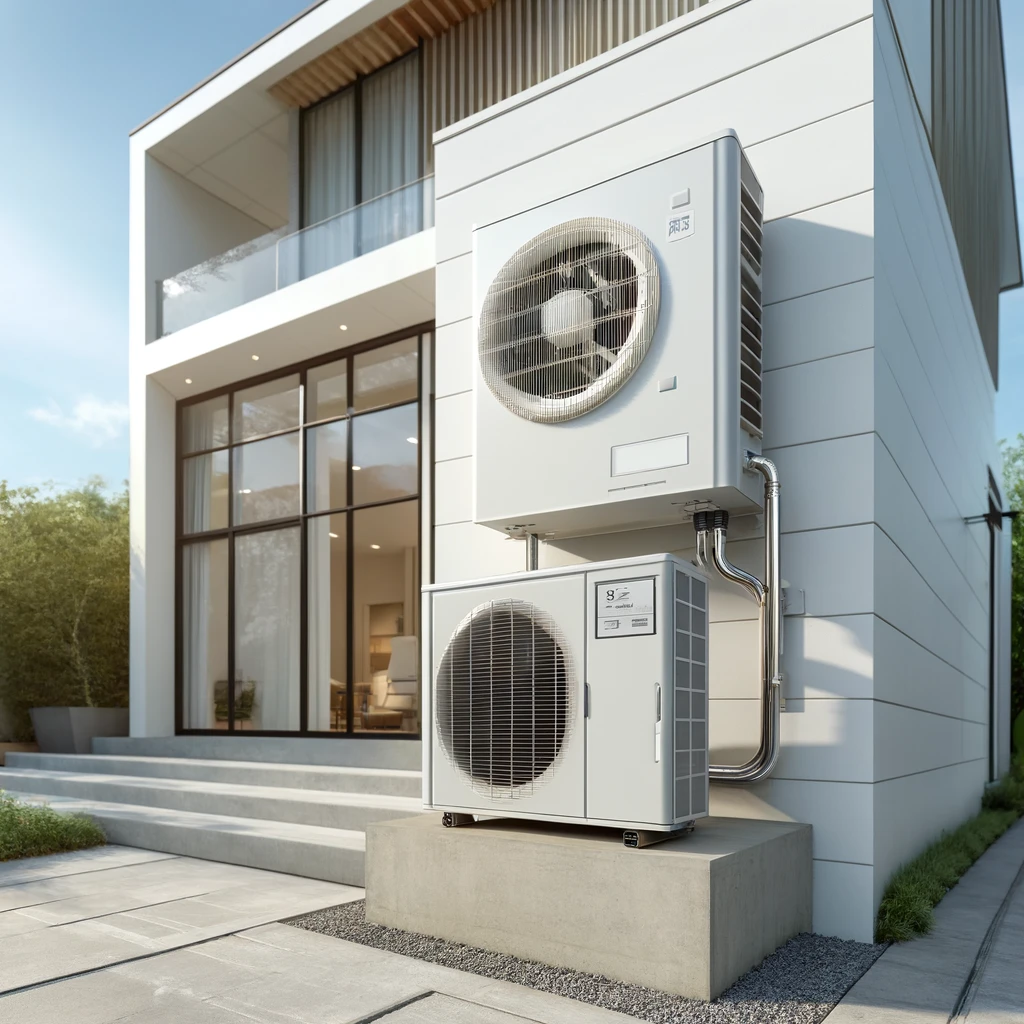
In this detailed guide, we will discuss everything you need to understand about these systems, from their operation and efficiency to set-up and care. If you're contemplating an upgrade or just interested about how these systems function, we will help you address common concerns and factors. By the end of this piece, you will be armed with the insight essential to make well-informed choices about whether a heat-pump system is the right fit for your house.
Understanding Heat Pumps
Heat pumps are advanced systems used for heating and chilling home and commercial environments. They operate by shifting heat rather than producing it, making them an efficient option for climate control. By removing heat from the atmosphere, ground, or water sources, heat pumps provide a consistent temperature throughout the year. This movement process utilizes a coolant that takes in heat from a specific location and releases it in another, functioning efficiently in both heating and cooling modes.
One of the key benefits of heat pumps is their high efficiency compared to traditional HVAC systems. They can generate several units of heat for each unit of energy used, leading to lower energy bills and minimized carbon footprints. This efficiency is particularly crucial as homeowners become more conscious of energy usage and the effects on the environment. With the surge in energy costs, heat pumps offer a eco-friendly alternative to furnaces and air conditioners, leading to significant lasting savings.
Additionally, the versatility of heat pumps renders them suitable for various climates and home types. Whether in recent builds or retrofitting existing homes, heat pumps can adjust to varying needs. Homeowners can choose between air source and ground source heat pumps based on their property and financial resources. Understanding these technologies is essential to selecting the appropriate solution for effective temperature management and overall comfort. spintax
Heat Pump System Setup and Maintenance
Setting up a heat pump involves multiple crucial stages to ensure optimal operational capability and effectiveness. Initially, it is essential to choose the correct size heating system for your house. An too large or too small system can cause poor performance and increased energy costs. Engage a expert to perform a load calculation that considers factors such as insulation, area, and geographical climate. Once the correct unit is chosen, the set-up process typically includes placing the outdoor unit, connecting refrigerant lines, and verifying adequate electrical setup. The installation should be carried out by a qualified contractor to adhere to building codes and regulations.
Maintenance is essential to extending the duration and efficiency of your heating system. Regular reviews, preferably twice a year, can help identify potential issues before they become major problems. Simple jobs such as cleaning or updating air-cleaning elements, checking the external compressor for blockages, and checking that the coolant levels are proper can contribute significantly to the unit’s functionality. Additionally, be sure to remove any blockages around the external condenser to promote good air circulation, allowing the heat pump to function effectively throughout the year.
Residents should also be mindful of common concerns that can happen with heat pumps, such as unusual sounds, fluctuating heating and cooling, and ice formation on the outside component. Tackling these concerns quickly can avert further deterioration and increase the life of the unit. Consider creating a service agreement with your heating and cooling service provider, which frequently covers routine check-ups and priority response for issues. Committing to correct setup and consistent care will ensure that your heat pump serves your home reliably for a long time.
Pricing and Efficiency Factors
When assessing the expense and efficiency of heat pumps, it's essential to factor in both the upfront investment and extended gains. The upfront cost of buying and installing a heat pump can vary considerably depending on the kind of system, capacity, and your unique home needs. Air source heat pumps usually have reduced installation fees in contrast with ground source systems, which require significant excavation. Homeowners should also factor in potential incentives and tax credits accessible for green systems, which can help reduce the initial expenses.
In terms of energy performance, heat pumps commonly exceed conventional HVAC systems. They use energy to move heat rather than generate it, leading to higher efficiency ratings. This indicates that for every unit of electricity consumed, they can deliver multiple units of warmth or cooling. Additionally, latest heat pumps have improved their efficacy in different climates, making them a viable seasonal solution. https://airsourceheatpumpsyorkshire.com/ to contrast the SEER for cooling and the HSPF for heating to ensure you pick an efficient model.
Furthermore, considering the long-term running costs related to heat pumps can lead to considerable savings on utility costs. Consistent maintenance can optimize efficiency and prolong the service life of your system, staving off costly repairs. Homeowners should also analyze their energy usage patterns and climate to ascertain how well a heat pump will operate in their individual situation. By spending in the appropriate system, homeowners can enjoy a more efficient, cost-effective heating and cooling solution that improves both their comfort and the natural world.