

When householders increasingly search for efficient and renewable solutions for their heat and air conditioning needs, heat pumps have become as a revolutionary alternative to traditional HVAC systems. Through innovations in technology and design, these systems not only offer enhanced energy efficiency but also offer flexibility in usage, making them an appealing option for contemporary homes. If you’re curious about how heat pumps function, their benefits, and whether they could be the right choice for your house, you are in the right place.
In this comprehensive guide, we will uncover everything you need to know about heat pumps, from installation fundamentals to performance in harsh climates. We will investigate key factors including efficiency comparisons with traditional systems, costs of installation and maintenance, and the environmental benefits of making the switch. Whether you are considering a fresh heat pump for a build or wanting to retrofit your existing home, our insights will help you take educated decisions that align with eco-conscious goals and individual comfort.
Comprehending Heat Pump Technology
Heat pumps are advanced climate control solutions that move thermal energy rather than produce it. They function by extracting heat from the atmosphere, earth, or liquid and moving it into a home during colder months, while in warmer months, they reverse the process, providing air conditioning. This effective approach of thermal energy transfer enables heat pumps to deliver 3-4 times more power than they use in electricity, making them a cost-effective alternative to conventional HVAC systems.
One of the key benefits of heat pumps is their flexibility. They can be employed in different types of structures, from modest homes to large commercial spaces, and can effectively operate in a range of weather conditions. However, https://barnes-bertram-2.technetbloggers.de/the-way-heat-pumps-are-changing-the-environment-of-sustainable-living can differ based on the local climatic conditions. In regions with mild cold seasons, heat pumps are notably productive, while in frigid climates, such as the Rocky Mountains, it’s crucial to choose models created for low temperatures or consider combination systems that combine heat pumps with conventional heating methods.
As property owners increasingly seek energy-efficient solutions, the interest of heat pumps continues to rise. They not only assist reduce energy expenditures but also play a role to decreasing carbon emissions due to their green operation. With numerous options available, including air source and earth-based heat pumps, homeowners can identify systems that best suit their requirements and wants, ensuring all-season comfort and efficiency.
Efficiency and Performance
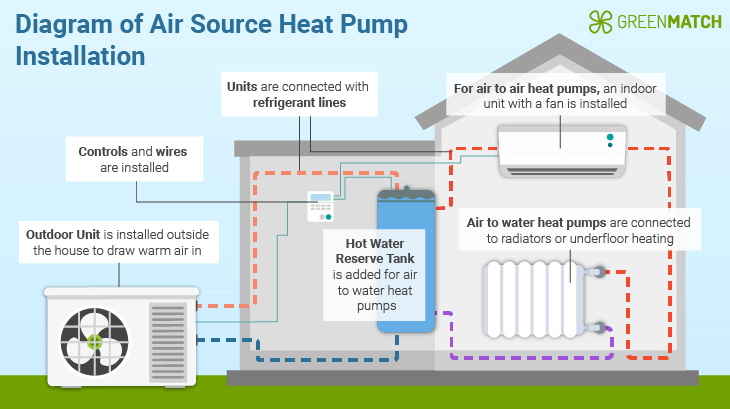
Heat pumps systems are well-known for their superior efficiency compared to traditional HVAC systems. They operate by moving heat instead of generating it, permitting them to use significantly reduced energy. This efficiency leads to lower energy bills, making heat pumps an attractive option for homeowners looking to reduce their utility costs. On average, heat pumps can offer three to 4 more heating or cooling energy than the electricity they consume, making them a cost-effective choice for climate control.
Performance is another crucial consideration when examining heat pumps. They can successfully regulate indoor temperatures in various conditions, especially when used alongside modern smart thermostats that enhance their operation. Advanced models have been designed to perform efficiently in cold climates, tackling the common misconception that heat pumps are inefficient in colder temperatures, such as like Colorado. Advances in technology continue to improve their performance, making sure that homeowners can experience consistent comfort all year long.
Another aspect of performance is the longevity and dependability of heat pumps. With proper maintenance and care, heat pumps can endure for many years, providing consistent heating and cooling. Regular servicing can prevent common issues and extend the lifespan of the system, contributing further to its efficiency and reducing the need for costly repairs or replacements over time. For homeowners seeking to maintain a cozy living environment while being energy efficient, opting for a heat pump can be a decision that pays off now and later.
Installation and Maintenance
Implementing a heat pump requires thoughtful evaluation of multiple aspects to ensure maximum efficiency. Residents should begin by reviewing their home's particular climatic demands, which includes figuring out the appropriate size of the unit. Hiring a skilled technician is vital, as they can properly evaluate system compatibility and local building codes. The setup procedure generally takes one to two days and ought to occur during moderate temperatures for the most effective performance. Proper placement of the outside component is crucial to prevent contact to obstructive elements and maintain operational efficiency.
Once your heating pump is installed, regular maintenance is key to maximizing its service life and performance. Residents should establish a routine that entails filter maintenance every 1-3 months to ensure proper airflow and system efficiency. Additionally, scheduling annual professional maintenance checks will help identify possible problems before they become significant problems. During these inspections, professionals can clean the coils, monitor refrigerant levels, and ensure that the electrical systems are working well.
As with all home systems, being conscious of frequent problems can help you avoid wasting time and money. Unusual sounds, temperature irregularities, or higher energy bills can signal that your heat pump needs servicing. Responding to these indicators quickly can avoid costly repairs in the future. By following maintenance guidelines and keeping in tune to your heat pump’s functioning, residents can take advantage of their heating system while keeping it running effectively for an extended period.