

Are you in need of an efficient and eco-friendly way to temperature control your home? Heat pumps stand out as an increasingly popular solution for homeowners looking to reduce their energy bills and lessen their ecological footprint. In this article, we will break down the key information about heat pumps, the advantages they offer, and how they differ from traditional heating and cooling systems.
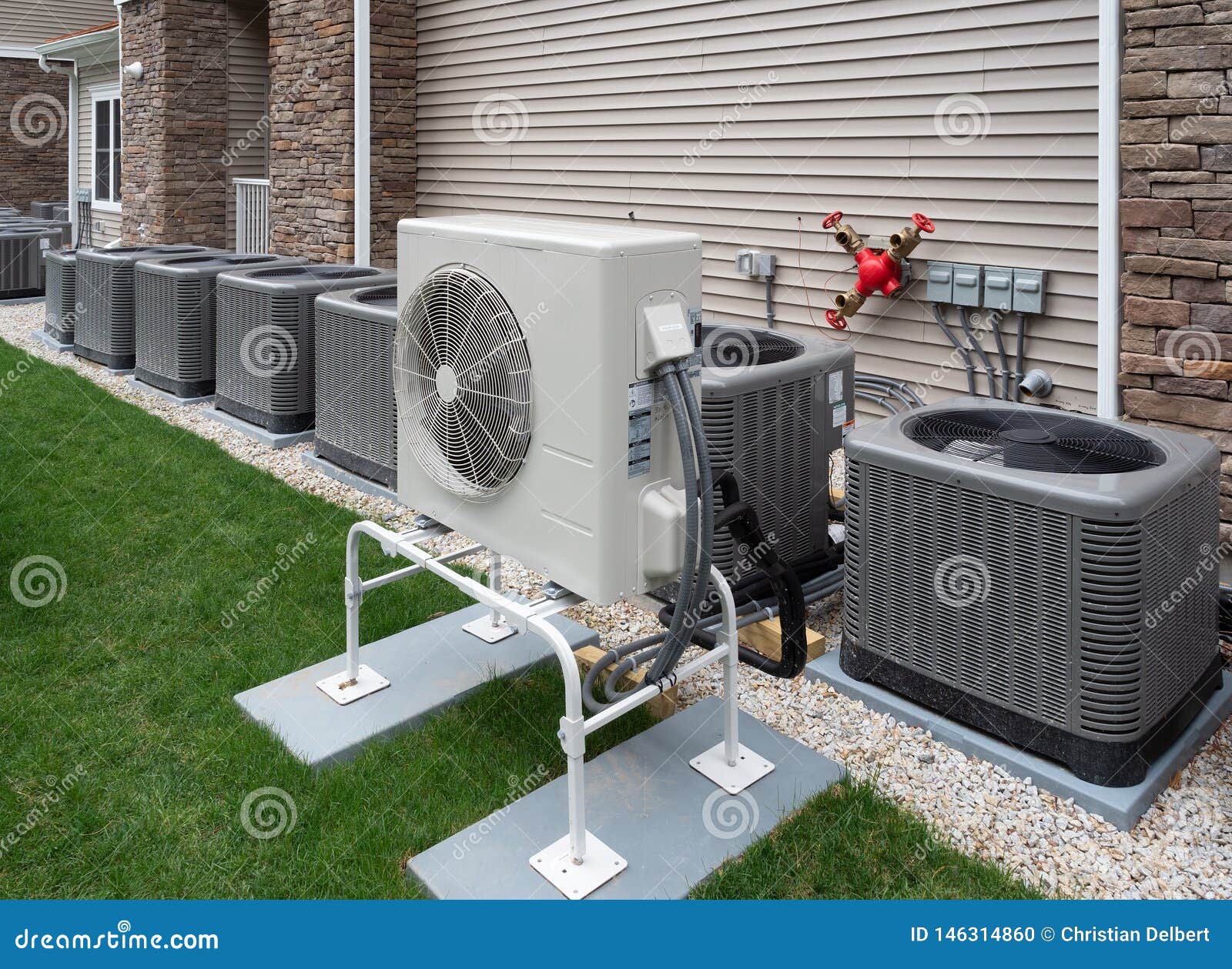
Starting with understanding how heat pumps operate in different weather conditions to exploring options like air source and ground source systems, we aim to give a comprehensive overview that aids you in make wise decisions. If you are thinking about a heat pump for a newly constructed home or considering improvements to your home you already have, we are going to address key topics like installation costs, maintenance tips, and even potential rebates and tax credits offered in the United States. Get ready to dive into the world of heat pumps and discover why they could be the next big thing in residential temperature control.
Comprehending Thermal Transfer Mechanism
Heat pumps are innovative devices engineered to transfer heat in lieu of creating it. They utilize a thermal cycle, which includes a refrigerant that captures heat from one location and expels it in another location. During the cold season, a heat pump can extract heat from the outside air or ground and transfer it inside, making it an effective way to heat your home. Conversely, in the cooling season, the process is turned around, allowing the heat pump to eliminate heat from the indoor air and expel it outside.
One of the key benefits of heat pumps is their efficiency. Unlike conventional HVAC systems that use fuel for temperature control or rely solely on electric resistance, heat pumps shift heat rather than producing it, often resulting in lower energy usage. This feature makes them not only environmentally friendly but also cost-effective in the long run, particularly as energy prices fluctuate. Homeowners can enjoy considerable reductions on electricity bills while also lowering their carbon emissions.
Furthermore, the technology behind heat pumps is continuously evolving, enabling them to perform optimally in varied climates. Modern models are constructed to deliver best performance even in frigid regions, such as Colorado, where traditional heating systems may fail. This versatility helps make heat pumps a viable option for full-year comfort, as they provide both temperature regulation and chilling functions without requiring separate systems.
Cost and Effectiveness Assessment
As considering a heat pump, comprehending the price and effectiveness is vital for homeowners. Initially, https://nguyen-stark.blogbright.net/from-frigid-into-warm-exploring-the-perks-of-implementing-a-heating-pump can vary significantly based on the type of heat pump, complexity of the setup, and whether you are incorporating it into a new construction or retrofitting an older structure. While air source heat pumps tend to have lower upfront costs, ground source systems may require a larger investment due to the excavation needed for installation. However, potential homeowners should factor in long-term savings on energy bills, as heat pumps are recognized for their energy efficiency.
Heat pumps function by moving heat rather than producing it, which can lead to reduced operational costs compared to traditional HVAC systems. On average, heat pumps can achieve a performance coefficient of between 3 and 5, meaning they can generate three to five times more energy in heating or cooling than they consume in electricity. This efficiency translates into considerable energy savings, especially in moderate climates. Homeowners should also consider potential rebates and tax credits available, which can help offset installation costs and improve the overall financial outlook.
Regarding performance, heat pumps can still be extremely efficient in colder climates, although their efficiency may drop during severe temperature fluctuations. Understanding local weather patterns and aligning the right heat pump to your home’s heating and cooling needs is crucial for maximizing efficiency. By engaging with a reliable heat pump installer, homeowners can make sure they select the optimal system for their situation, ultimately leading to substantial long-term savings and an eco-friendlier heating solution.
Installation and Maintenance Tips
When it comes to installing a heat pump, it's important to select the appropriate size for your residence. An oversized unit can cause short cycling, leading to inadequate humidity control and higher utility costs, while an undersized unit may have trouble to maintain satisfactory temperatures. Consulting with a certified HVAC professional can assist you choose a heat pump that matches your home's heating and cooling demands. Additionally, proper placement of the outdoor unit is crucial for peak performance; it should have adequate airflow and be sheltered from extreme weather conditions.
Regular maintenance is essential to keeping your heat pump running efficiently. This includes changing air filters every couple of months to ensure adequate airflow and cleaning debris from the outdoor unit to prevent it from working too hard. Annual certified inspections can aid in identifying potential issues before they become significant problems. During these check-ups, technicians can service the coils, inspect refrigerant levels, and confirm all components are working properly.
Homeowners should be aware of typical signs that signal maintenance or repairs are needed. These can include unexpected noises, decreased heating or cooling effectiveness, or an unexpected increase in energy bills. Addressing these issues promptly can prevent further damage and extend the duration of your heat pump. By investing resources in both setup and ongoing maintenance, you can enjoy the rewards of an efficient heating solution.