As homeowners increasingly look for effective and eco-friendly solutions for their heating and air conditioning needs, heat pumps have become as a game-changing alternative to conventional HVAC systems. Through innovations in technology and aesthetics, these systems not only offer improved energy efficiency but also provide versatility in usage, which makes them an appealing option for modern homes. If you are curious about how heat pumps function, their advantages, and whether they could be the suitable choice for your house, you are in the right place.
In this detailed guide, we will reveal everything you need to know about heat pumps, from installation fundamentals to performance in difficult climates. We will explore key factors such as performance comparisons with traditional systems, costs of installation and maintenance, and the environmental benefits of making the switch. Whether you are thinking about a brand new heat pump for a build or wanting to retrofit your current home, our insights will help you make informed decisions that align with eco-conscious goals and personal comfort.
Comprehending Heat Pumps
Heat pumps are advanced heating and cooling systems that transfer thermal energy rather than produce it. They work by drawing heat from the air, ground, or water and moving it into a house during chillier months, while in hotter months, they invert the function, providing air conditioning. This efficient method of thermal energy transfer enables heat pumps to provide 3-4 times more energy than they consume in electricity, making them a economical alternative to traditional HVAC systems.
One of the primary benefits of heat pumps is their flexibility. They can be used in different types of buildings, from compact homes to spacious commercial spaces, and can effectively operate in a range of weather conditions. However, their effectiveness can fluctuate based on the surrounding weather conditions. In areas with mild winters, heat pumps are particularly effective, while in frigid climates, such as the Rocky Mountains, it’s crucial to pick models created for low heat or consider hybrid systems that combine heat pumps with traditional heating methods.
As homeowners increasingly seek energy-efficient solutions, the attraction of heat pumps continues to grow. They not only help reduce utility bills but also play a role to lowering carbon footprints due to their eco-conscious operation. With various options available, including air-based and ground source heat pumps, homeowners can discover systems that best suit their preferences and preferences, ensuring year-round comfort and effectiveness.
Efficiency and Performance
Heat pump units are celebrated for their exceptional efficiency in relation to traditional HVAC systems. They work by transferring heat rather than generating it, allowing them to use substantially lower energy. This performance leads to reduced energy bills, making heat pumps an desirable option for homeowners wanting to reduce their energy expenses. On average, heat pumps can offer 3 to four more heating or cooling energy than the electricity they consume, making them a cost-effective choice for climate control.
Functionality is another crucial consideration when examining heat pumps. They can efficiently control indoor temperatures in various conditions, especially when combined with modern smart thermostats that optimize their operation. Advanced models have been designed to perform effectively in cold climates, tackling the common misconception that heat pumps are unsuitable in colder temperatures, such as found in Colorado. Breakthroughs in technology continue to enhance their performance, ensuring that homeowners can benefit from consistent comfort year-round.
Another aspect of performance is the durability and dependability of heat pumps. With proper maintenance and care, heat pumps can last for many years, providing consistent heating and cooling. Regular servicing can prevent common issues and extend the lifespan of the system, contributing further to its efficiency and minimizing the need for costly repairs or replacements over time. For homeowners wanting to maintain a comfortable living environment while being energy efficient, opting for a heat pump can be a decision that rewards both immediately and in the long run.
Setup & Care
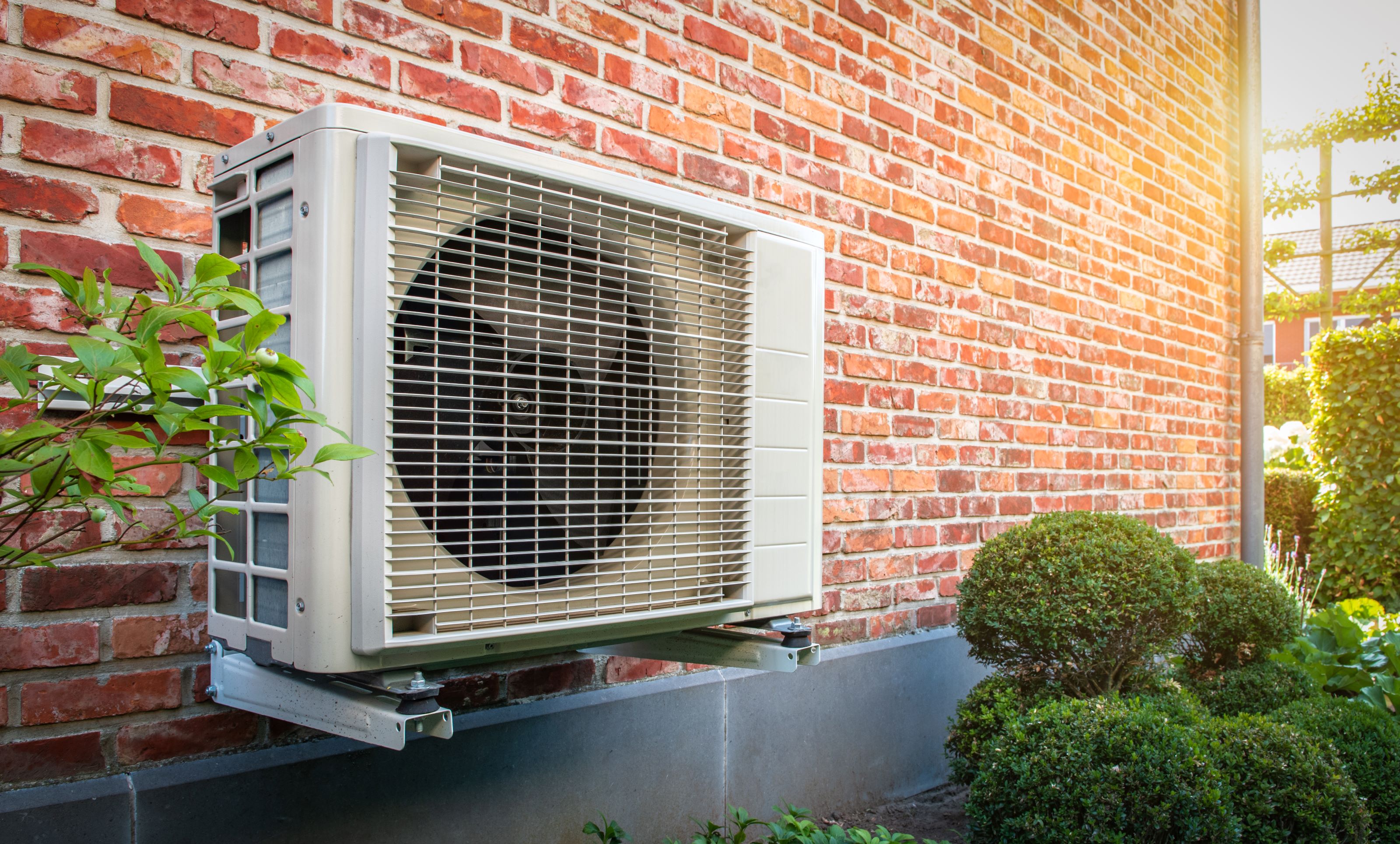
Installing a heat pump demands thoughtful evaluation of several factors to secure maximum efficiency. Residents should begin by reviewing their home's particular climatic demands, by calculating the correct size of the system. Engaging a certified installer is essential, as they can properly evaluate compatibility with existing systems and municipal guidelines. The setup procedure generally requires one to two days and ought to occur during mild weather for the most effective performance. Proper locating of the external unit is crucial to avoid exposure to hindrances and maintain operational efficiency.
When your heat pump is in place, routine care is essential to maximizing its durability and performance. Residents should create a schedule that entails changing or cleaning filters every monthly to quarterly to sustain airflow and system efficiency. Additionally, booking yearly expert inspections will help identify possible problems before they escalate. During these check-ups, experts can service the coils, monitor refrigerant levels, and make sure that the electrical components are functioning properly.
As with any residential system, being conscious of typical concerns can help you avoid wasting time and expenses. Odd noises, fluctuating temperatures, or rising energy expenses can indicate that your heat pump needs servicing. Tackling these issues promptly can avert larger repair needs later. By https://classroom.miniaturehorsemanship.com/members/koreancollar04/activity/630430/ to upkeep recommendations and keeping in tune to your heat pump’s functioning, homeowners can enjoy the benefits of their heating system while maintaining its efficiency for many years.