

Regarding home improvement, some of the most impactful and transformative projects you can undertake is revamping your flooring. If you’re aiming to breathe new life into your space or enhance its value, the right flooring can create the tone for your entire home. With countless options available today, including hardwood and laminate to tile and vinyl, choosing the best fit can feel overwhelming. Here is where this comprehensive guide comes in.
In this article, we'll walk you through the nuances of DIY flooring projects, breaking down all the essential information to achieve stunning results. Beginning with understanding the specific benefits of different materials to examining the most current design trends for 2026, we’ll equip you with the knowledge to make informed decisions. Plus, we’ll share practical tips on installation, maintenance, and how to avoid common pitfalls, ensuring your flooring project is a success from start to finish. If you’re a seasoned DIY enthusiast or a first-timer, you'll find plenty of inspiration and guidance here to transform your space.
Selecting the Right Flooring
Choosing the appropriate flooring material is crucial for building a welcoming and attractive atmosphere in your living space. Consider the overall style of your area, as well as the purpose of each room. Whether you're searching for a contemporary, streamlined design or a inviting, earthy vibe, the decision of floor cover can greatly affect the atmosphere of your home. It's important to evaluate your lifestyle, especially if you have dogs and cats or children, as this will inform your choice towards the most suitable options.
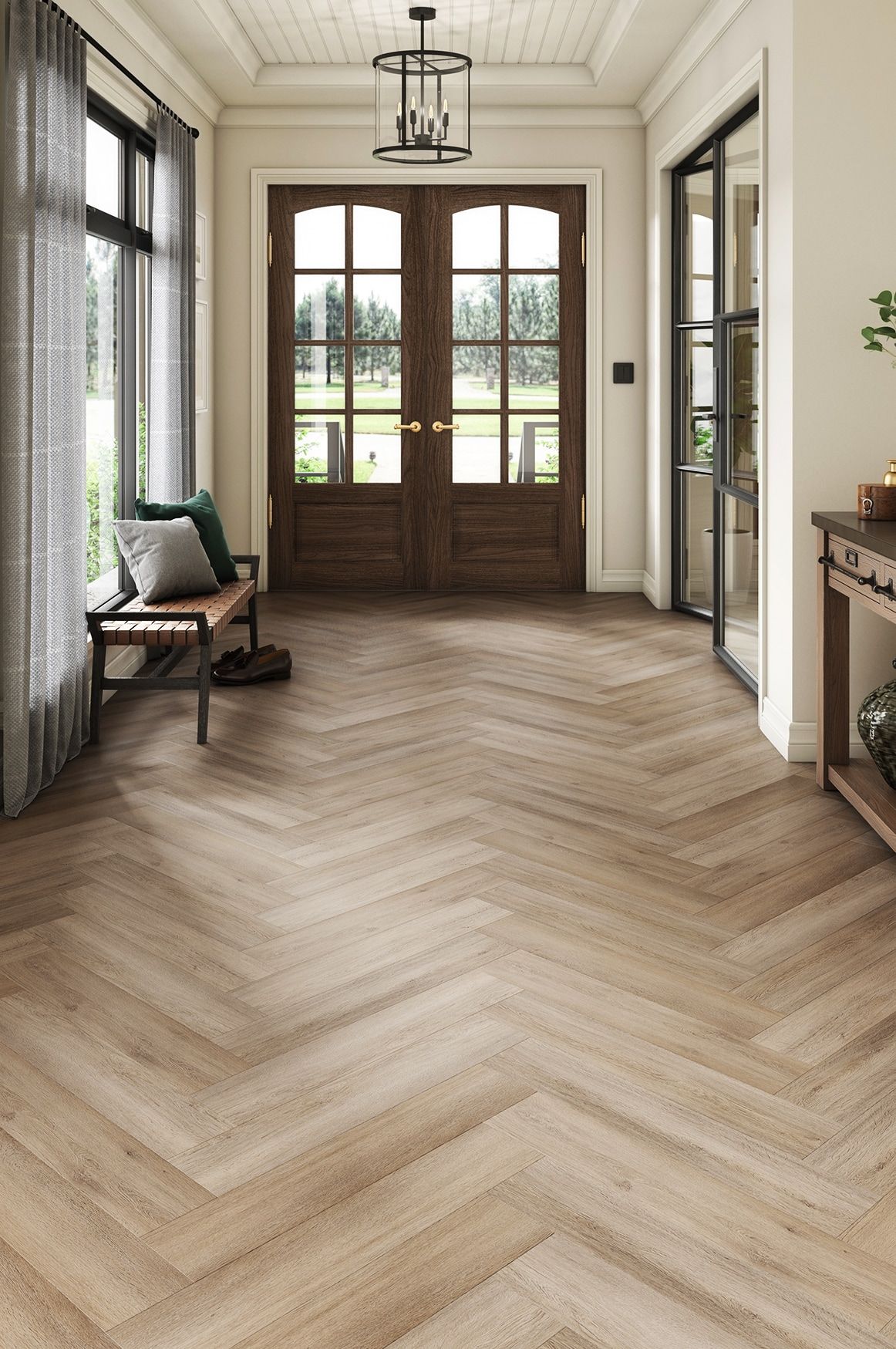
Next, consider about the realistic aspects of each flooring. Longevity is a major aspect, particularly in frequently used areas like corridors and common areas. Certain types may require more upkeep than others, so being aware of the care involved associated with hardwood, composite, vinyl, or tile will enable you to make an educated selection. Additionally, consider how each kind of floor cover interacts with other components in your living space, such as furniture and decorative hues, to ensure a unified style throughout.
In conclusion, cost plays a significant factor in your flooring selection decision. There are many options available at different price points, from high-end materials to more budget-friendly alternatives. Assessing the long-term worth of your investment is essential; certain flooring may have higher purchase prices but could reduce expenses in maintenance and lifespan. By balancing all these factors together, you can select the floor cover that not only meets your requirements but also improves your living space's overall appeal.
DIY Setup Tips
When tackling a DIY flooring task, planning is crucial to achieving stunning results. Start by ensuring that your subfloor is clean, dry, and level. School Flooring Cambridge can lead to issues down the road, so spend the time to repair any breaks or uneven areas before moving forward. Collect all necessary tools and materials before you begin, which could encompass a measuring tape, cutting tool, adhesive, and flooring boards. This will assist streamline the installation process and reduce interruptions.
As you start laying your flooring, be mindful of the layout. Think about the direction in which you prefer the flooring to be oriented, as this can affect the overall look of the room. For example, laying hardwood or laminate boards diagonally can create a feeling of space, while laying them parallel to the longest wall can provide a more classic appearance. Make sure to adjust your flooring materials according to the manufacturer's instructions before installation. This aids to prevent distortion and guarantees that the materials adjust to the room's temperature and humidity.
Finally, do not hurry through the installation. Take your time to measure and cut precisely, and consistently check your alignment as you proceed. If you're dealing with tiles, leave appropriate grout lines and be sure to use spacers for even placement. For all flooring types, it's beneficial to leave a small buffer zone around edges to accommodate any normal movement in the materials. By focusing to these details, you'll improve the longevity and visual attractiveness of your new flooring.
Care and Care
Correct care and preservation of your floors is crucial to maintain its longevity and appearance. For wood floors, consistent brushing or vacuuming to remove dirt and particles can prevent damage. Occasional moist cleaning with a pH-neutral solution will help preserve its luster. Avoid using harsh chemicals or overly abundant water, as these can harm the wood. For laminate wood flooring, a similar method applies: maintain it clean with gentle cleaners designed particularly for the surface to avoid warping or color loss.
If you have chosen PVC or ceramic flooring, care is generally minimal effort. Routine sweeping or cleaning will be sufficient, along with cleaning with a suitable solution. For tiles, periodic grout cleaning can improve the general look and reduce buildup. In homes with animals, making sure immediate cleaning of spills and litter can assist preserve the state condition and prevent odors. Moreover, placing rugs at entryways can help reduce the quantity of dirt tracked indoors.
Understanding how to maintain your particular flooring will significantly help in preserving its aesthetic appeal. Consistently refer to the manufacturer's recommendations for maintenance, as various materials have unique requirements. From regular cleaning to guarding against damage and moisture, investing time in the care of your floors will ensure them looking stunning for an extended period to follow.