

In today's dynamic climate, residents are progressively seeking efficient and green solutions for their HVAC needs. These units have risen as a versatile option that delivers year-round temperature control, making them an alluring alternative to traditional HVAC systems. As experts continue to investigate their advantages, heat pumps are being valued not just for their efficiency, but also for their capability to considerably reduce utility costs and environmental impact.
Beginning with understanding the basics of how heat pumps operate to analyzing the various types available, this article will guide homeowners through all they need to know. No matter if it's going through the installation process, weighing the advantages and disadvantages of air source versus ground-based systems, or considering the top smart thermostats to improve performance, we will examine the key aspects of heat pumps. As we project forward to 2026, we'll explore why this time might be the ideal time to make the switch and how heat pumps can elevate indoor comfort while supporting a green future.
Grasping Heat Pumps
Heating and cooling pumps are flexible climate control systems that use electricity to move thermal energy from one place to another. They work by drawing heat from the outside air or ground and shifting it indoors during the winter, while in the warm months, they invert the process, extracting heat from the inside and transferring it outside. This method of transferring heat, rather than generating it, enables heat pumps to achieve high efficiency levels, making them an desirable option to conventional heating, ventilation, and air conditioning systems.
The technology behind heat pumps can change, including air-sourced, geothermal, and water source options. Each type has its benefits and drawbacks, depending largely on the weather conditions and the specific needs of the homeowner. For instance, air source heat pumps are commonly simpler and more affordable to set up than ground source systems, but their efficiency can diminish in extremely low temperatures. Ground source heat pumps, while more expensive to install, can offer consistent performance and energy efficiency over the long term due to their consistent subsurface heat.
As homeowners more and more seek green and high-performing heating and cooling strategies, heat pumps are increasing popularity. With potential benefits including reduced utility costs, reduced environmental impact, and multiple incentives available, such as financial incentives and tax breaks, heat pumps represent a progressive choice for current homes. Comprehending how Informative post operate and their advantages can help homeowners in choosing wisely about their heating and cooling needs.
Heat Pump System Setup and Costs
Implementing a heating pump involves several key steps that require specialized skill. Residents should first consider their individual requirements, including the size of the property and the type of heat pump that suits their property. A thorough analysis will aid determine whether an air source or ground-sourced system is better suited. Once the appropriate type of pump is chosen, the deployment steps can start, which typically consists of equipment setup, ductwork modifications if required, and calibrating the system to secure optimal performance.
The costs associated with the installation of heat pumps can fluctuate considerably based on several factors. Typically, residents can anticipate to spend between five thousand and $10,000 currency, depending on the class and capacity of the unit, setup difficulty, and regional wage standards. Supplementary fees may arise from required house upgrades, like upgrading electrical setups or installing ductwork for ventilated systems. Taking advantage of available discounts and tax deductions can aid reduce some of these costs, making the change more financially viable.
In conclusion, understanding the long-term investment aspect is crucial. While the upfront fees may look significant, heat pumps are recognized for their energy efficiency and decreased running costs compared to conventional heating, ventilation, and air conditioning systems. In the long run, this can result in significant savings on electricity bills, which makes such pumps as well a logical solution for heating and cooling and a smart choice for homeowners wanting to boost their overall energy conservation and satisfaction year-round.
Perks and Performance of Heat Pumps
These systems offer numerous benefits, making them an ever more preferred selection for property owners seeking optimal climate management options. One of the primary advantages is their ability to offer both heating and cooling, eliminating the necessity for individual systems. This flexibility leads to lower setup and upkeep expenses, streamlining the process for owners. Additionally, heat pumps are known for their energy efficiency, often requiring considerably less energy than legacy HVAC systems. This can result in significant savings on electricity expenses, making them not only an sustainable choice but also a financially sound investment.
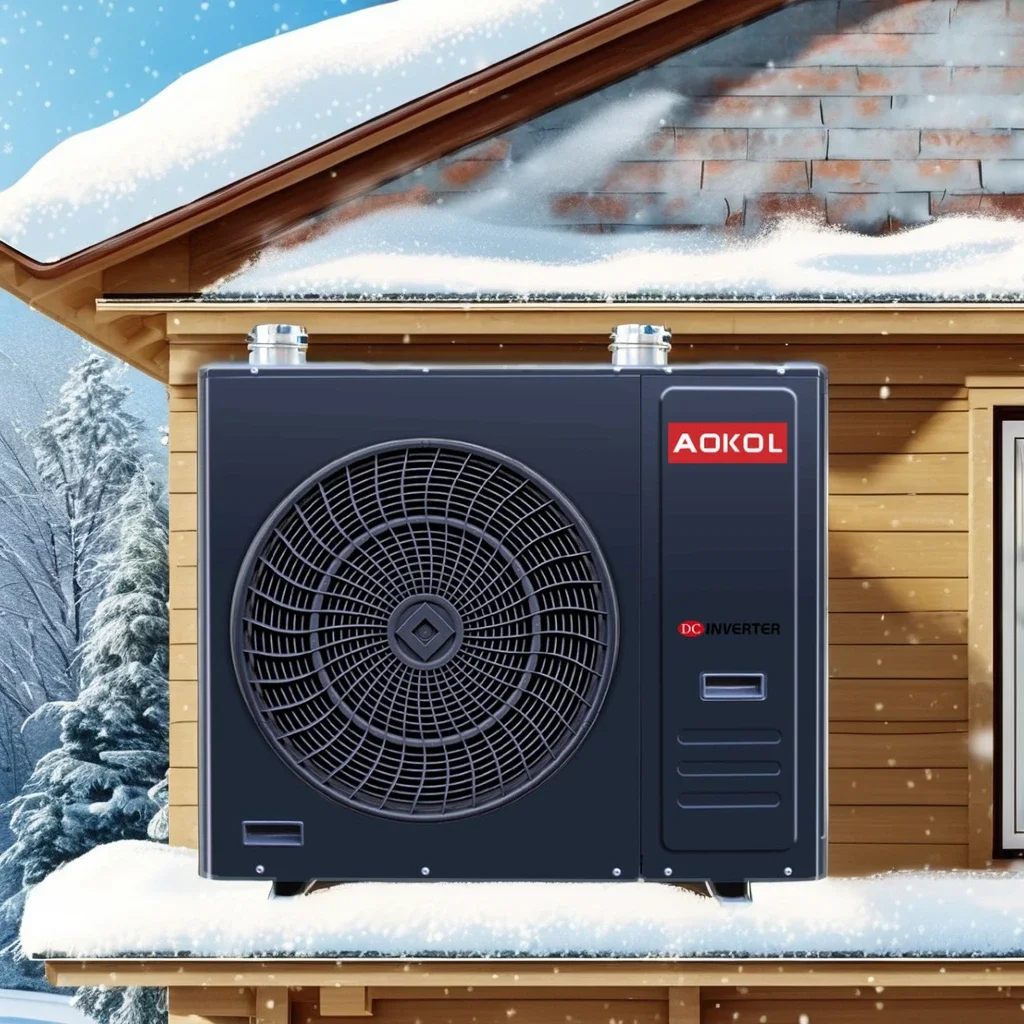
The efficacy of heat pumps is impressively strong in a diverse array of climates. Advances in technology have permitted modern heat pumps to work effectively, even in frigid regions, such as the northern states. This effectiveness means that homeowners can depend on their heat pumps for year-round comfort, at no time compromising heating capability during wintertime. Furthermore, the hybrid system option allows users to toggle between a heat pump and a standard heating source, ensuring peak efficiency when weather patterns change.
Another important advantage of heat pumps is their positive environmental impact. By shifting heat rather than creating it through the burning of fossil fuels, heat pumps dramatically reduce greenhouse gases. This environmental advantage matches with many homeowners' priorities regarding sustainable living. Moreover, a range of tax benefits such as cash back and tax credits are often provided for those who invest in heat pump systems, amplifying their appeal. With continuous advancements in innovation and growing awareness of climate issues, heat pumps are likely to take a important role in the long-term of home heating and temperature regulation.