

Within the current rapidly changing business environment, entities are more and more turning to AI to streamline their operations and enhance decision-making. One of the top transformative advancements are AI agents, self-operating systems capable of executing a variety of tasks with minimal human intervention. These smart agents are more than tools; they embody a paradigm shift in how companies operate, making processes more productive and unlocking profound insights from information.
As organizations adopt AI agents, they find new ways to enhance productivity, elevate customer service, and foster growth. From mechanizing mundane tasks to facilitating sophisticated analyses, AI agents are becoming indispensable in multiple sectors, such as marketing, finance, and healthcare. In this discussion, we will examine what AI agents are, how they are distinct from traditional AI chatbots, and the myriad ways they are reshaping modern business operations. Whether you are a startup founder or part of a large enterprise, understanding the capabilities of AI agents will be crucial in steering through the modern workplace and maximizing your organization’s capabilities.
Understanding Artificial Intelligence Agents
Artificial Intelligence agents are smart programs that can perform tasks autonomously by processing information, deciding, and carrying out actions without continual human supervision. These entities utilize complex algorithms, machine learning, and data analysis to interpret data from their contexts. They function across a variety of fields, from support services to task management, making them essential tools for today's enterprises seeking efficiency and new ideas.
The primary distinction of artificial intelligence agents from classic automation approaches lies in their capacity to develop and adjust. Unlike basic automated scripts, these agents can review previous interactions and change their actions based on current insights, leading to better outcomes in tasks like customer support and advertising campaigns. This flexibility empowers businesses to enhance their processes and respond quickly to changing market dynamics.
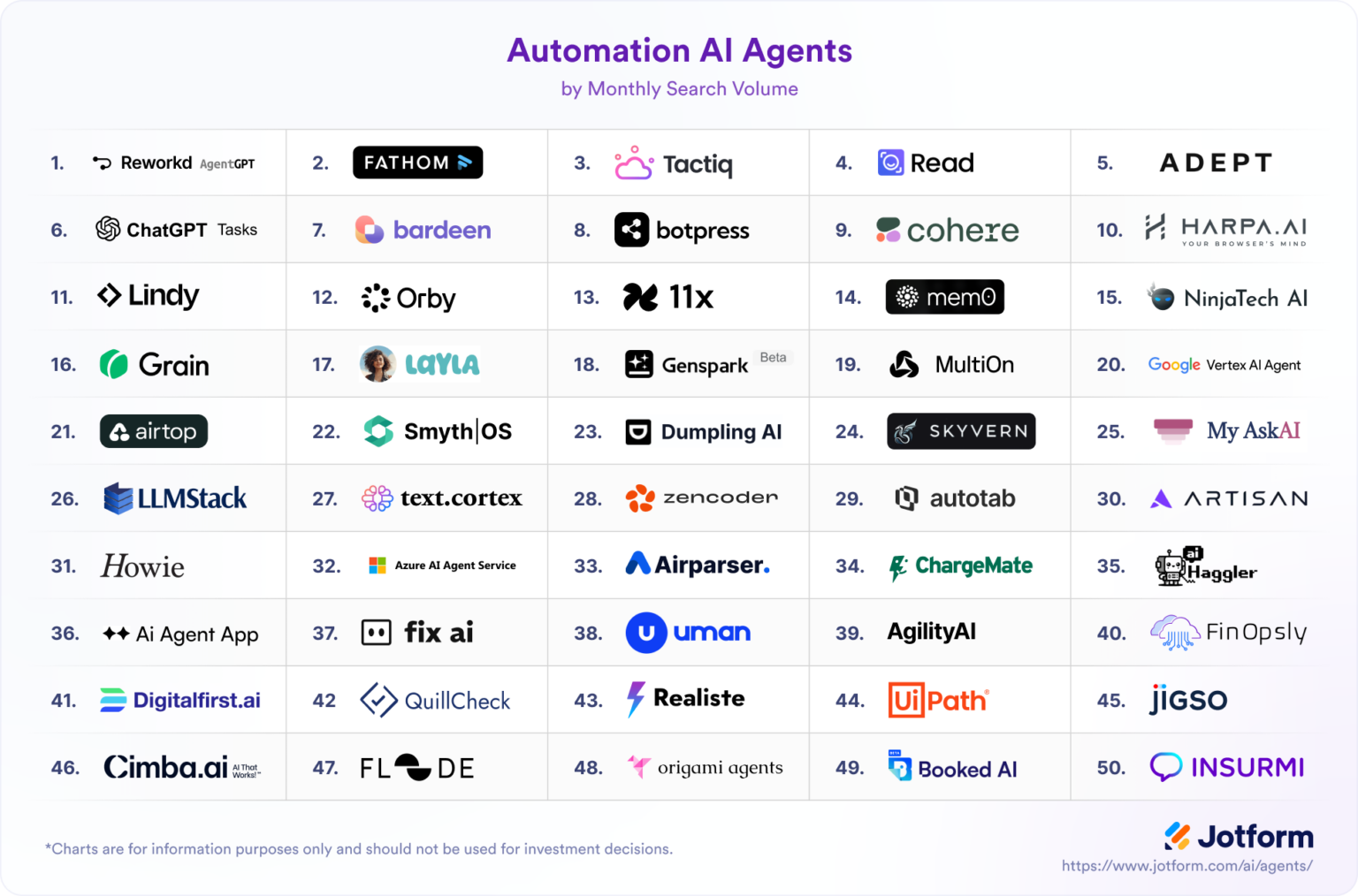
As organizations increasingly depend on AI agents, the technology is constantly developing, integrating with systems such as ML and language understanding systems. This development not only broadens the functions of these agents but also opens new paths for business. Companies that adopt artificial intelligence agents are better positioned in the business environment, enjoying increased productivity, financial advantages, and better customer service.
AI Systems in Operational Management
Artificial intelligence systems are revolutionizing business operations by automating daily activities, allowing businesses to streamline processes and improve efficiency. These self-operating agents can handle a variety of tasks, from coordinating meetings to handling customer queries, which frees up valuable time for employees to concentrate on more strategic initiatives. This shift leads to higher productivity and cost savings, enabling companies to distribute resources more effectively.
Moreover, These systems enhance decision-making by interpreting data in real time and delivering actionable insights. Organizations can utilize these insights to refine operations, improve logistics, and satisfy customer needs more accurately. With the ability to adapt from past experiences and modify, these systems can improve their methods continually, contributing to better outcomes and more informed business strategies.
Finally, the incorporation of AI agents fosters collaboration across departments. By facilitating communication and information sharing, these agents help align objectives and ensure that everyone is on the same page. This not only improves workflow but also promotes a more flexible work environment where groups can respond rapidly to shifts in the industry or customer demands. As these systems become more sophisticated, their role in improving operational capabilities will only keep to grow.
### Upcoming Trends and Innovations
As AI agents progress, we can expect to see significant advancements in their features and functions. One major trend is the integration of natural language processing improvements, which enables AI agents to interact in a more human-like manner. This will improve their ability to understand user intent and context, resulting in more effective interactions in support services, promotion, and different business processes.
An additional trend is the increasing application of AI agents in collaborative environments. As remote work and international teams increase, AI agents will play a critical role in enabling communication and cooperation among team members. Improved https://nenos-software.ro/ -agent frameworks will enable AI agents to work together seamlessly, sharing insights and automating complex workflows. This will lead to higher productivity and efficiency within organizations, lessening the burden on human workers and enabling them to concentrate on more tactical assignments.
Finally, as businesses become more data-driven, the demand for AI agents capable of leveraging large amounts of data will increase. Future developments will likely see AI agents fitted with sophisticated analytical tools, which will allow them to offer more profound insights and precise forecasts. This will not only enhance decision-making processes but also drive innovation across industries, making AI agents essential tools for maintaining competitive advantage in the ever-evolving business landscape.